

Planning a trip to Kyoto, Japan? Discover the best things to do in Kyoto, from walking through the famous red torii gates at Fushimi Inari Shrine, exploring the Arashiyama Bamboo Grove, visiting beautiful temples, sampling Japanese food, and wandering through historic, charming streets. This Kyoto Travel Guide covers the top attractions, hidden gems, and practical tips for an unforgettable family trip.
Planning a trip to Japan? Check out my Top Things to Do in Tokyo, Japan. Also see our favorite photos from Tokyo, Mt. Fuji, Kyoto Family Photos, Nara, and Tokyo Disney.
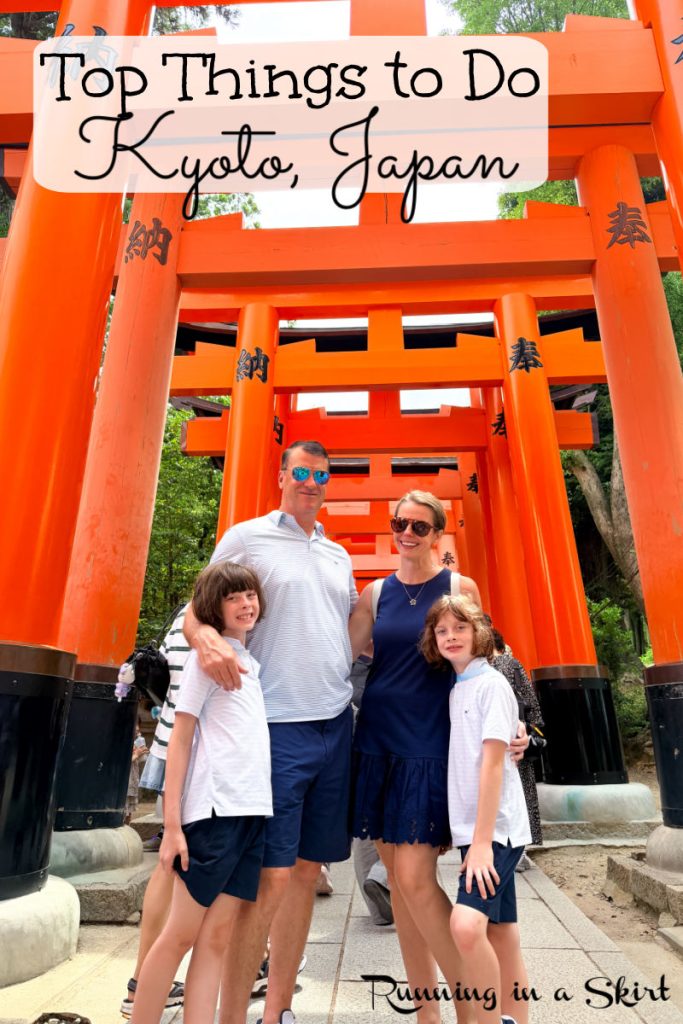
Top Things to Do in Kyoto, Japan
Curious about the top things to do in Kyoto, Japan? This charming city feels like you are stepping into another world. It's part modern city, but also a city filled with century-old temples, peaceful bamboo forests, traditional gardens, and tiny streets with old wooden houses. It's also filled with the most delicious Japanese food around every corner. It brings together history and the modern world in an unforgettable way. Like all of Japan, it feels safe, clean, and full of kind people.
Kyoto, once Japan's capital, charmed us with its walkable streets, amazing food, beautiful scenery, history, and cultural experiences. It's even home to 17 UNESCO World Heritage Sites and more than 2,000 temples and shrines. This was our favorite stop on our trip to Japan by far!
I recently visited Kyoto with my husband and 7-year-old twin boys. Planning this trip was daunting because there are endless things to do in these cities. My travel guides, starting with my Top Things to Do in Tokyo, Japan, cut through the hard parts and share our favorite, family-friendly things we did. We spent five nights in Kyoto, including a day trip to Nara. None of these are kid-exclusive activities, and we loved them, both the kids and adults. But whether you have kids or not, this list is a great place to start. Here are our top things to do in Kyoto, Japan.
Start planning your trip with my top photos from
Top Things to Do in Kyoto, Japan with Families
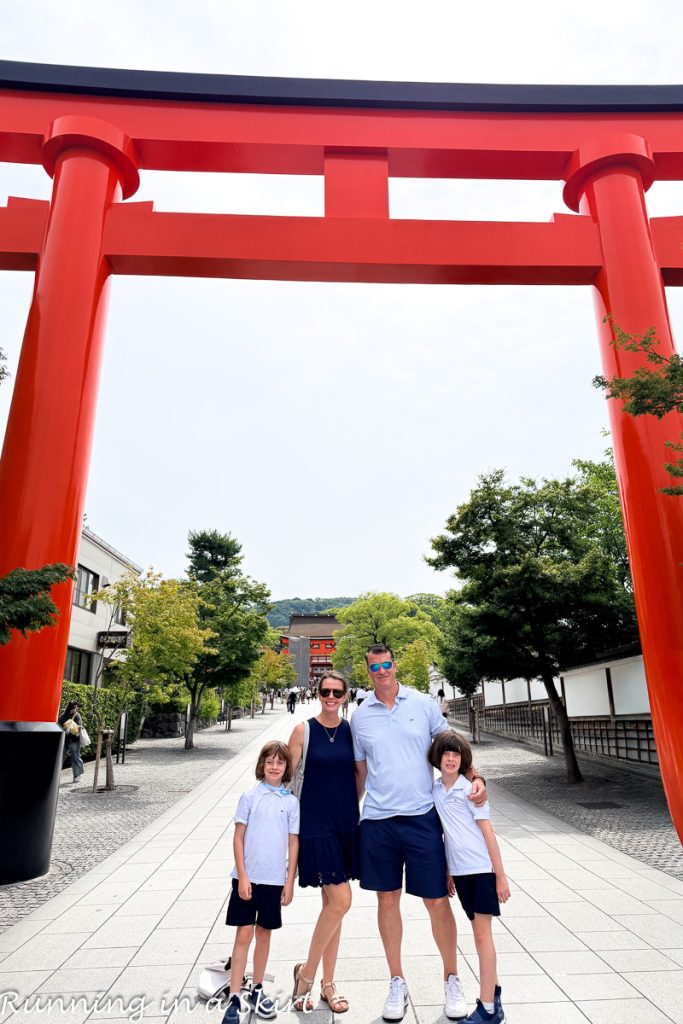
Red Torii Gates at Fushimi Inari Taisha
If there's one Kyoto attraction that belongs at the top of your itinerary, it's Fushimi Inari Taisha. This famous Shinto shrine is known for its seemingly endless rows of vibrant red-orange torii gates that wind through the forest and up Mount Inari. It's one of Japan's most recognizable sights and should be at the top of any Japan itinerary. It's even more awe-inspiring in person.
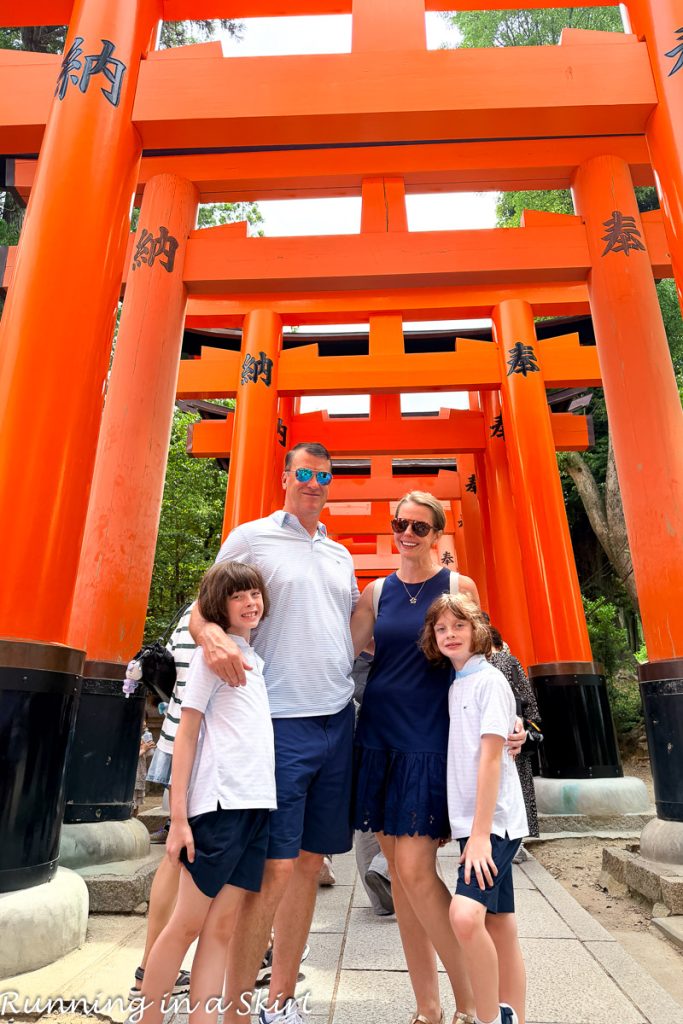
This famous Shinto Shrine has endless rows of vibrant-red torii gates that wind up through the forest and up Mount Inari. You can go and hike all the way to the top, but we explored the bottom.
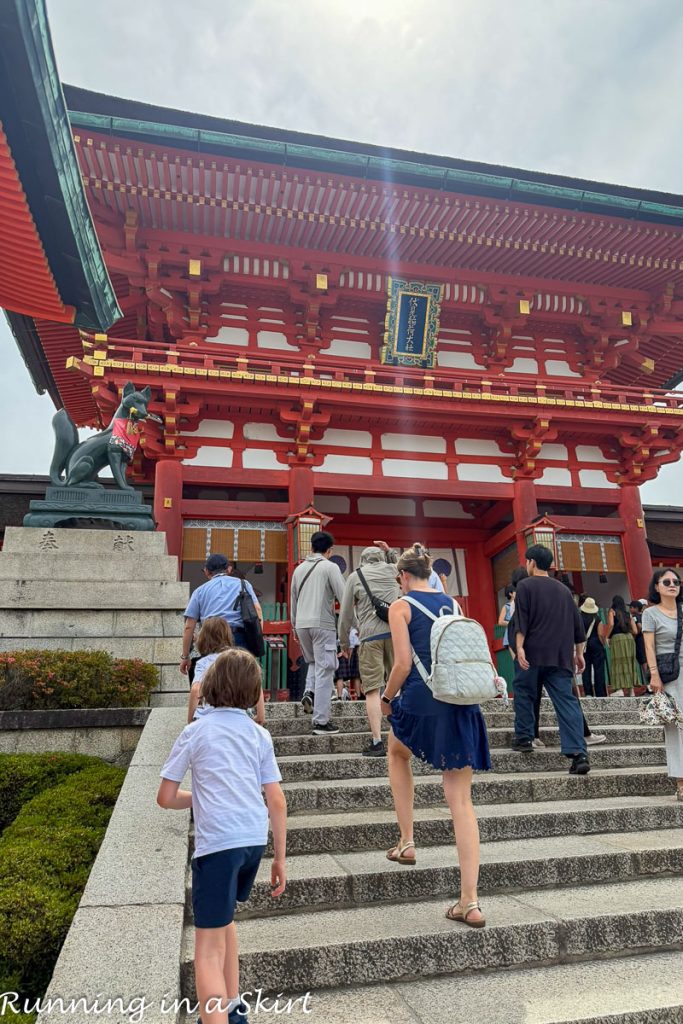
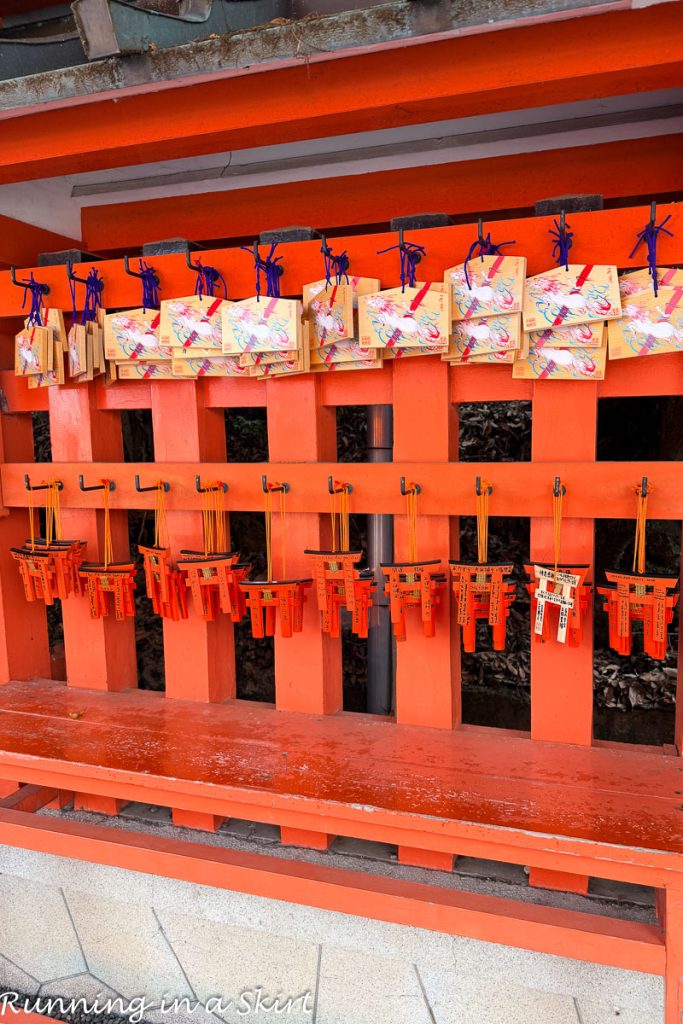
Like many temples, they sell good luck gifts like these.
My Tips: Visit early in the morning if you can. This is one of Kyoto and Japan's most popular attractions, and the crowds can be crazy. Also, if you have younger kids, you'll get the most out of the experience by walking only the first section of the gates. You don't have to walk all the way up the mountain.
Kiyomizu-dera Temple
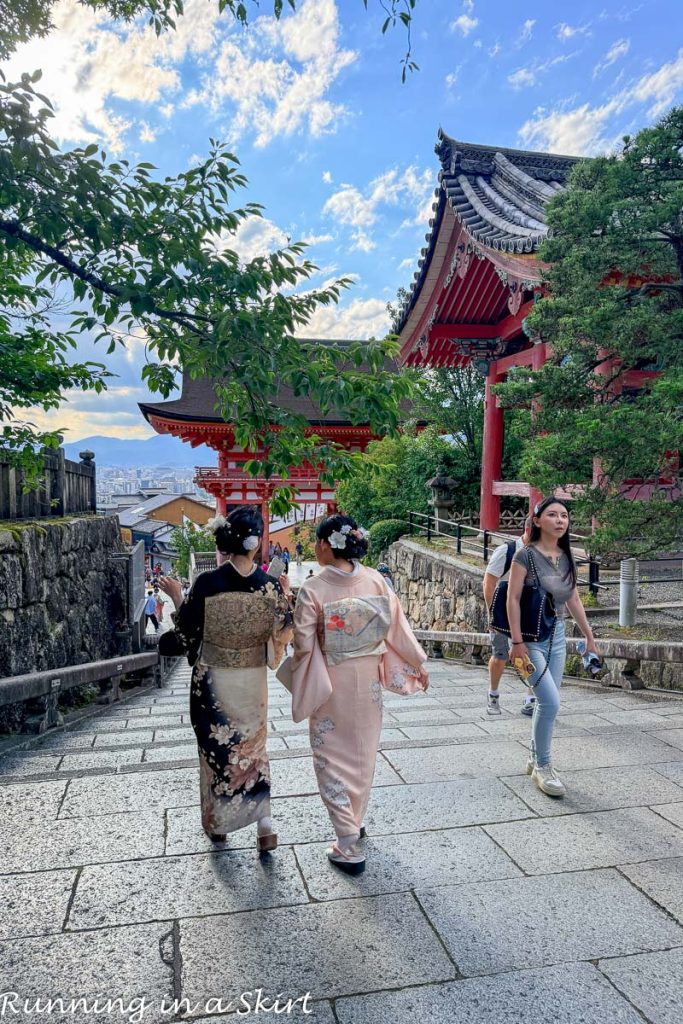
Another top thing to do in Kyoto is to visit Kiyomizu-dera Temple. It's one of Kyoto's most famous temples and a must-visit for anyone interested in Japanese history and architecture.
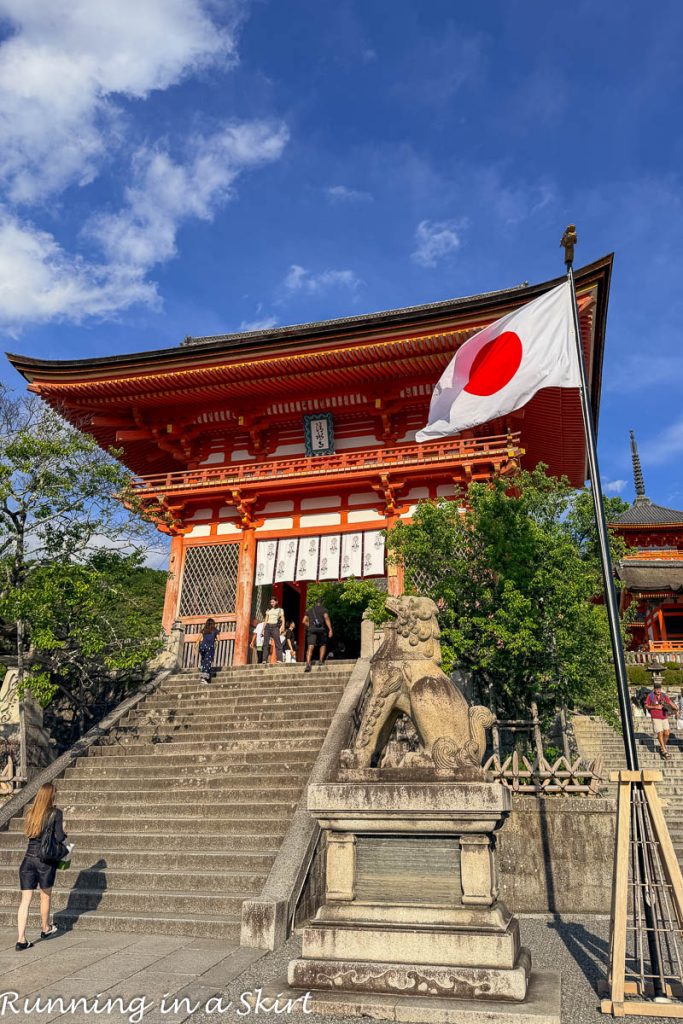
The sprawling grounds and buildings are everything you'd think Japan should look like.
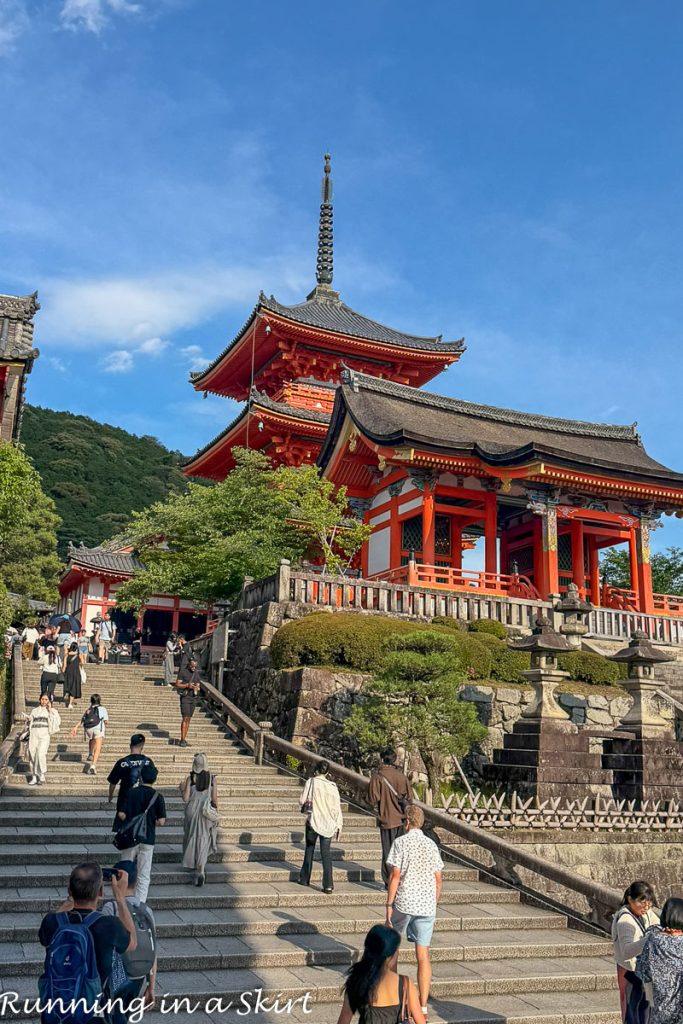
There are lots of photo opps like this too.
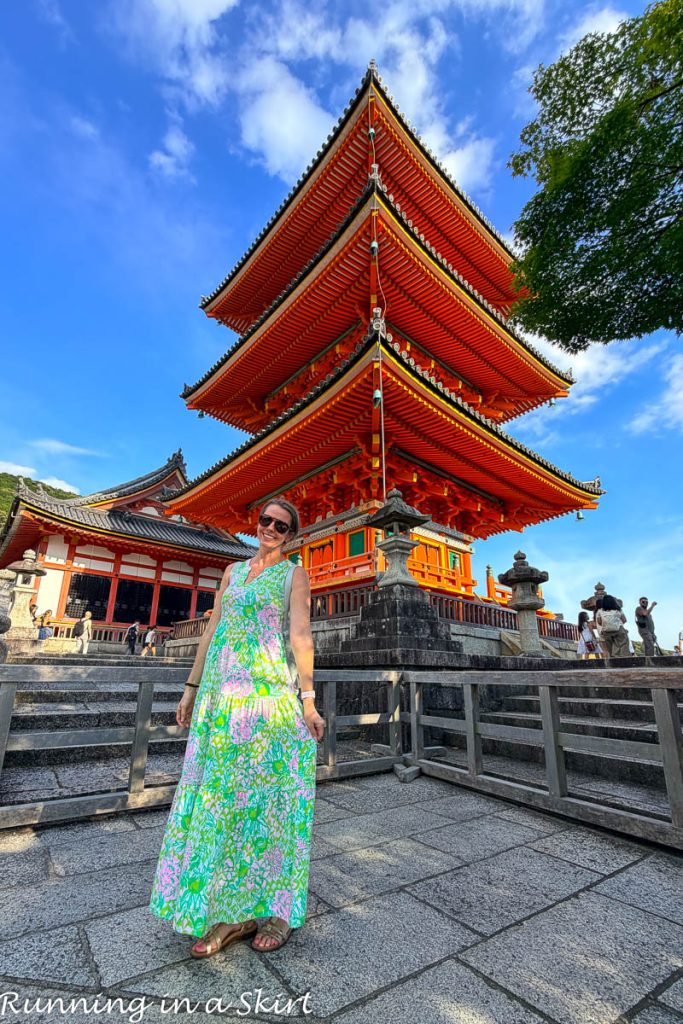
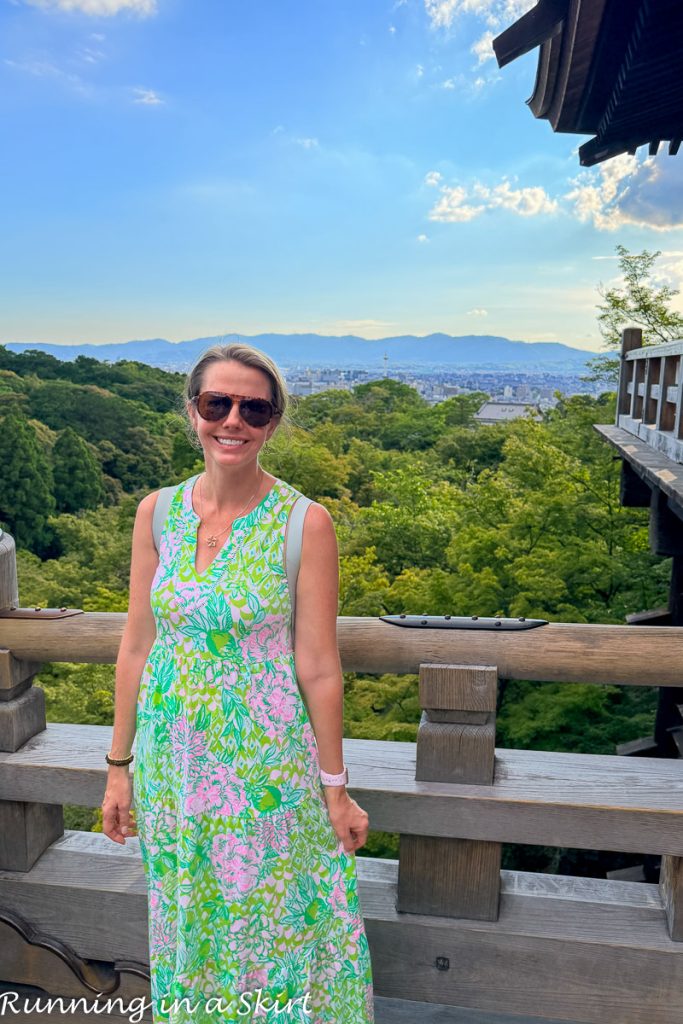
The temple is best known for this wooden veranda, which extends over the hillside and offers beautiful views across Kyoto.
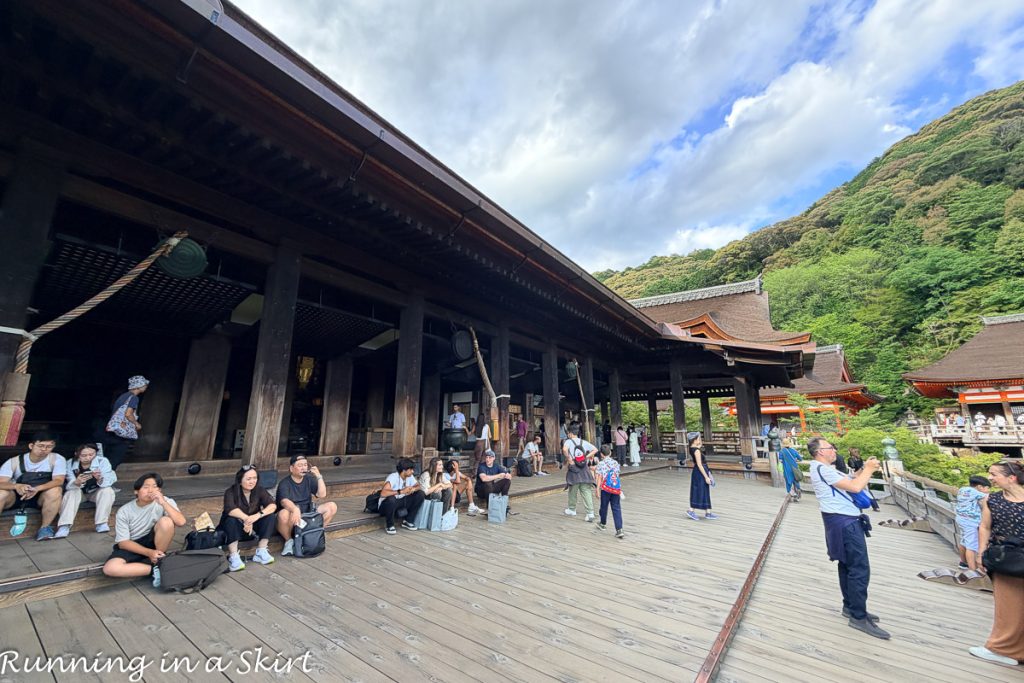
The surrounding landscape changes throughout the year, from spring blossoms to lush summer greenery and brilliant fall colors. Just look at this view! Sunrise and sunset are beautiful here.
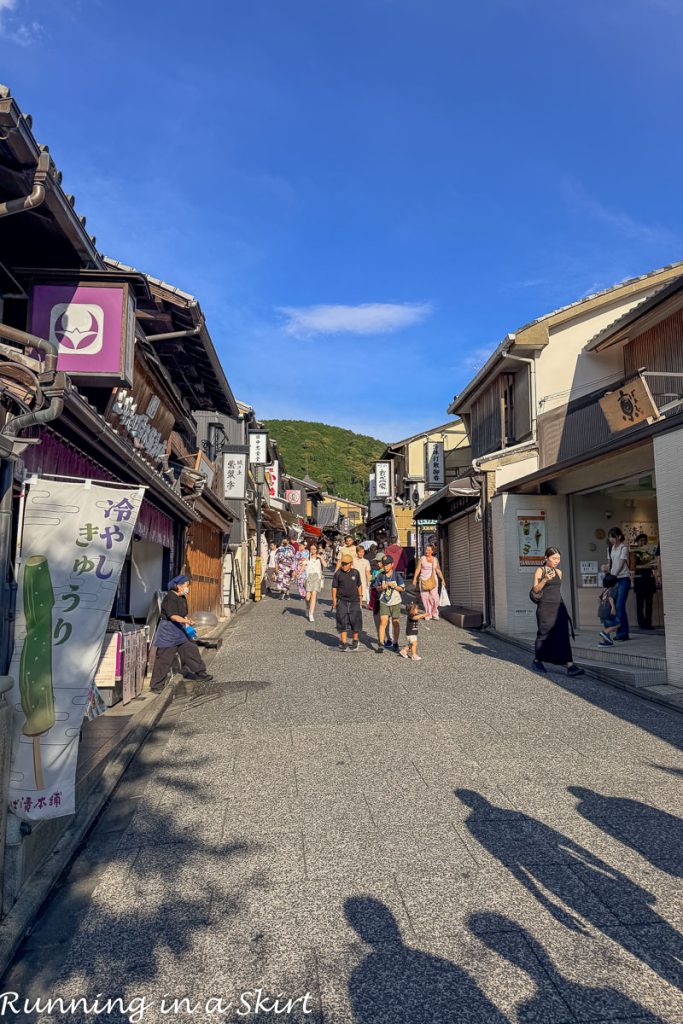
After exploring the temple itself, head to the nearby historic streets of Sannenzaka and Ninenzaka. These pedestrian-friendly areas are lined with traditional buildings, souvenir shops, tea houses, and places to sample Japanese sweets.
My tip: Spend a few hours exploring the temple and the surrounding Higashiyama neighborhood rather than rushing through the main attraction. The streets can be steep in places, so comfortable walking shoes are a good idea.
Nishiki Market
If you are a foodie, Nishiki Market should be at the top of your list of things to do in Kyoto. With its colorful ceiling, this street is filled with loads of fresh seafood, Japanese foods, sweets, tea, and treats.
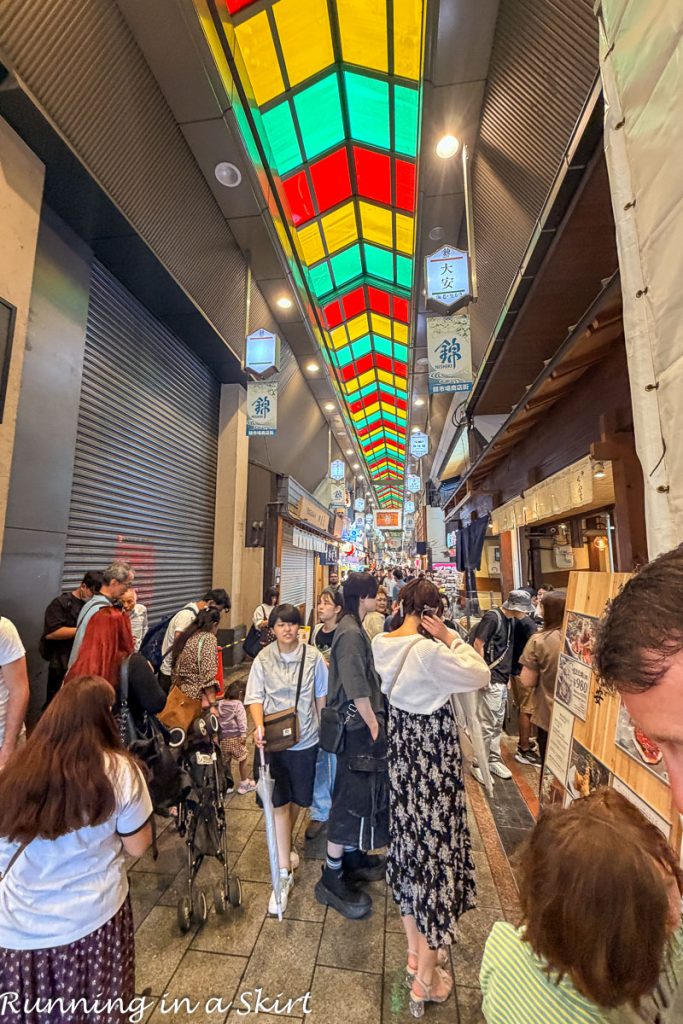
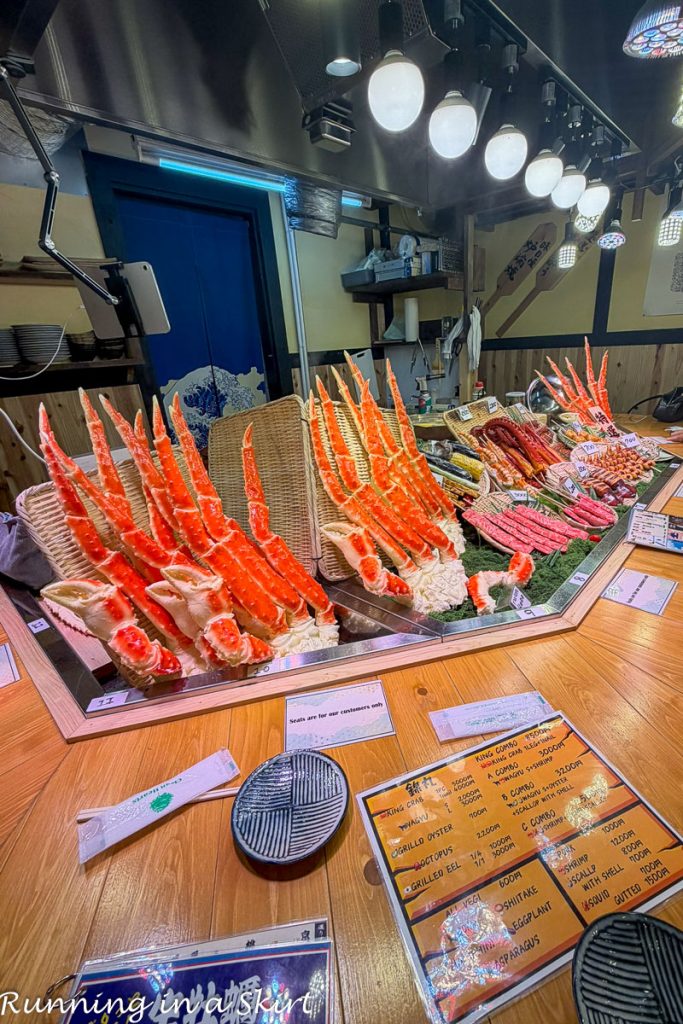
We went for lunch and found this adorable counter to sit down in the back of one of the stores. Much of the food is eaten standing up, so this was a treat.

The king crab legs and giant grilled oysters were one of our favorite memories of the trip.
My tip: Go with an appetite! Take your time browsing, and try a few smaller items instead of filling up at the first stall. Be careful about where you eat. It is generally frowned upon to walk around with food in Japan, so you will need to eat at the store you buy from.
Arashiyama Bamboo Forest
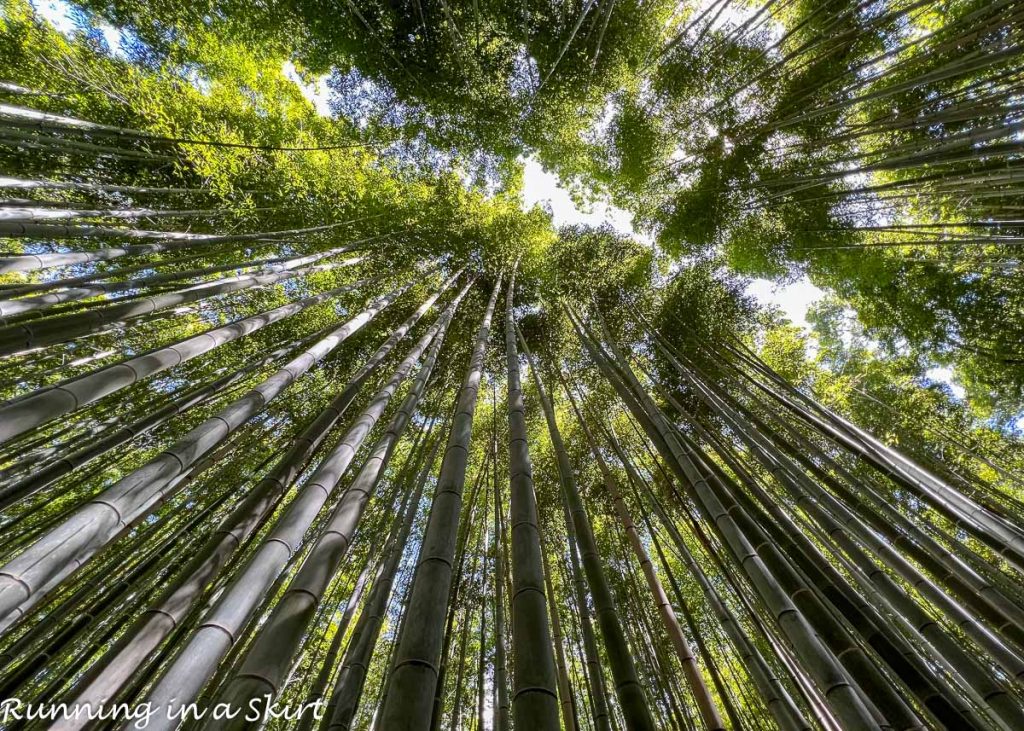
The Arashiyama Bamboo Forest Grove is another must-see attraction in Kyoto. It's absolutely breathtaking. Walking among the bamboo stalks is a unique experience. Located in western Kyoto, Arashiyama is more than just the bamboo forest. It's a lovely area to spend several hours exploring temples, gardens, riverside scenery, and traditional shops.
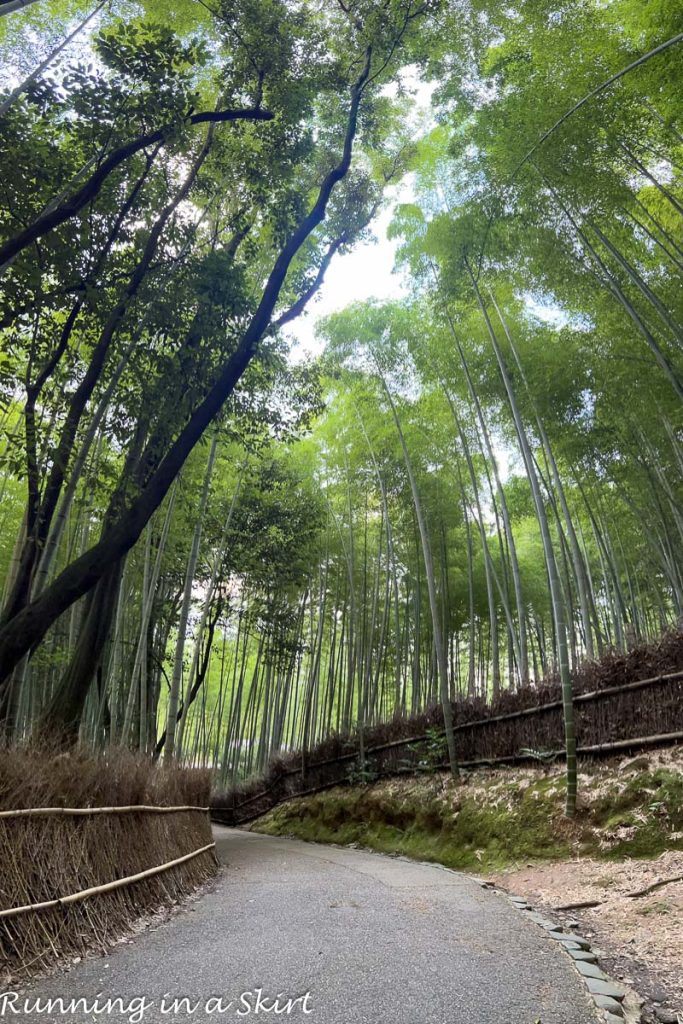
After walking through the grove, visit nearby Tenryu-ji Temple, known for its beautiful Zen garden, or stroll toward Togetsukyo Bridge for views of the surrounding mountains and river.
My tip: Arrive early to enjoy the bamboo grove when it's quieter. This path fills up later in the day.
Explore Gion & Historic Geisha District
Exploring Gion must be on anyone's list of top things to do in Kyoto. Gion is a historic neighborhood and one of the best places to experience Kyoto's traditional atmosphere. It's known for its wooden machiya townhouses, narrow lanes, traditional tea houses, and cultural heritage. As you wander through the area, you'll see a side of Kyoto that feels wonderfully connected to the city's past.
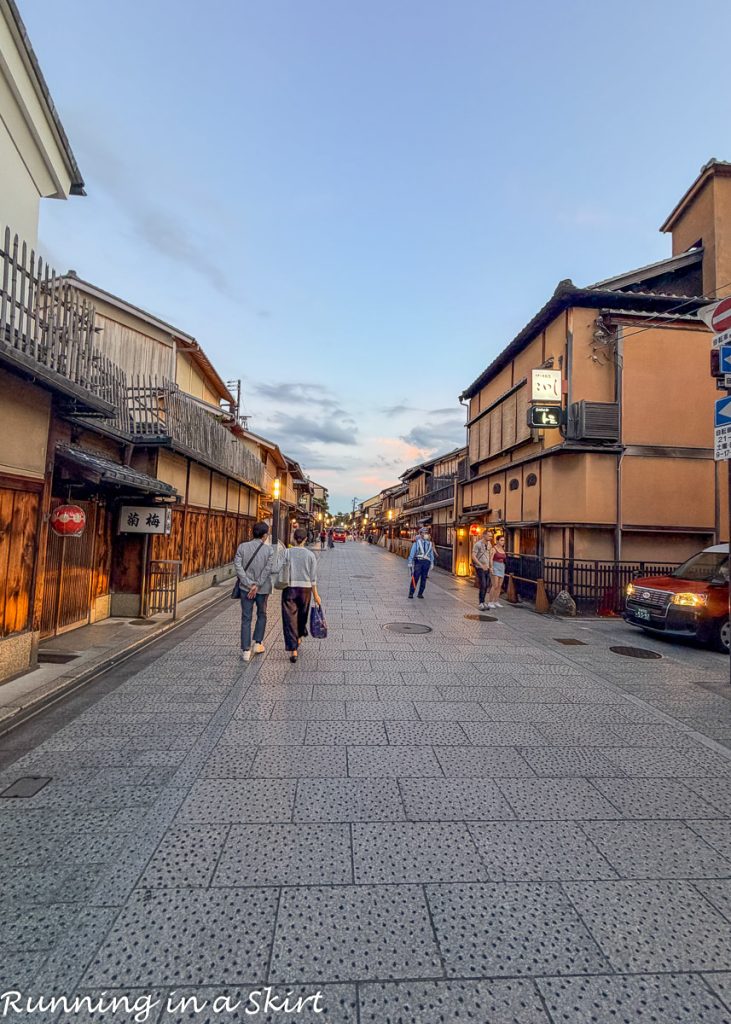
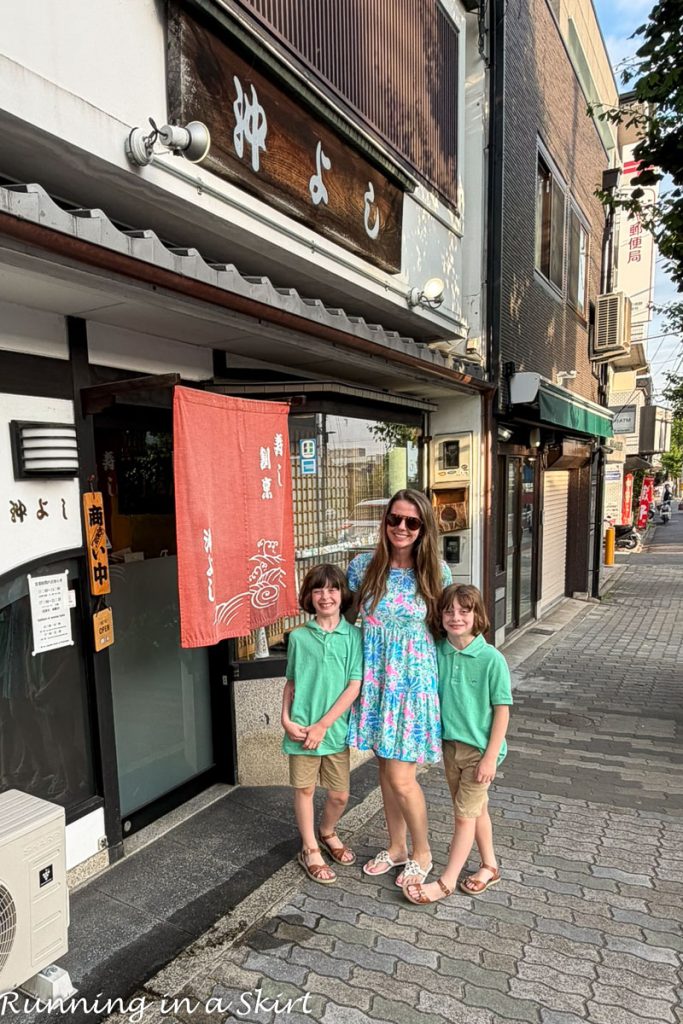
Hanamikoji Street is one of Gion's best-known streets, while the Shirakawa area offers picturesque canals, willow trees, and traditional architecture. We had an amazing meal on a side street in a tiny restaurant.
Gion is also associated with geiko, the Kyoto term for geisha, and maiko, their apprentices. These are skilled traditional performers who study dance, music, and other Japanese arts. Our hotel was nearby this neighborhood and brought a Maiko to do a traditional performance, which was absolutely stunning.
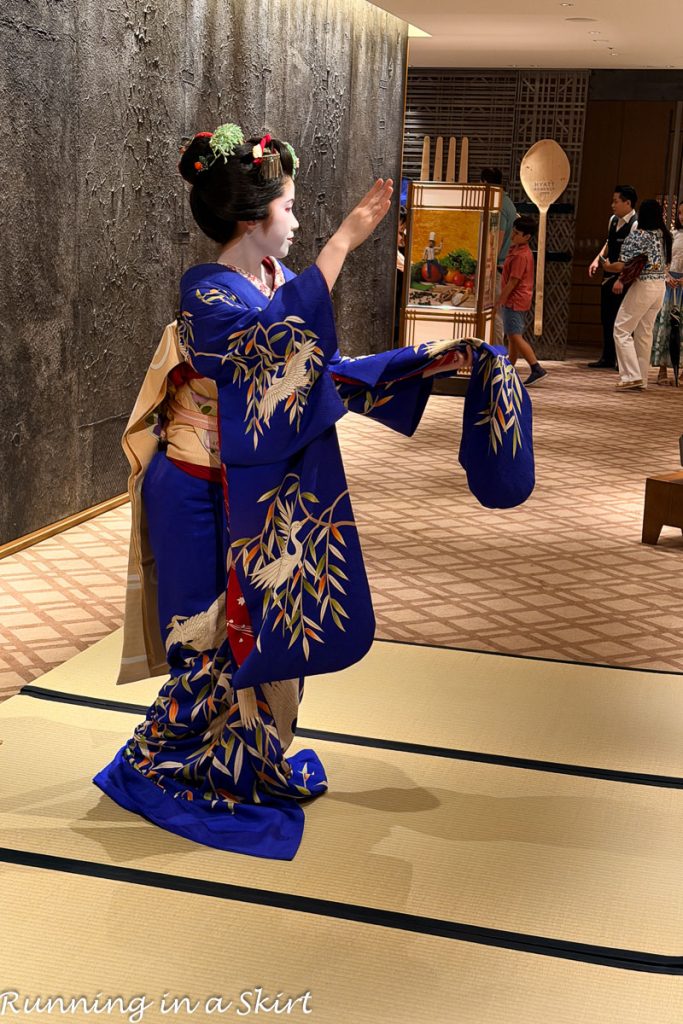
If you're interested in learning more about this culture, consider booking an organized cultural experience or attending a public performance. This was another favorite and most memorable part of the trip for us.
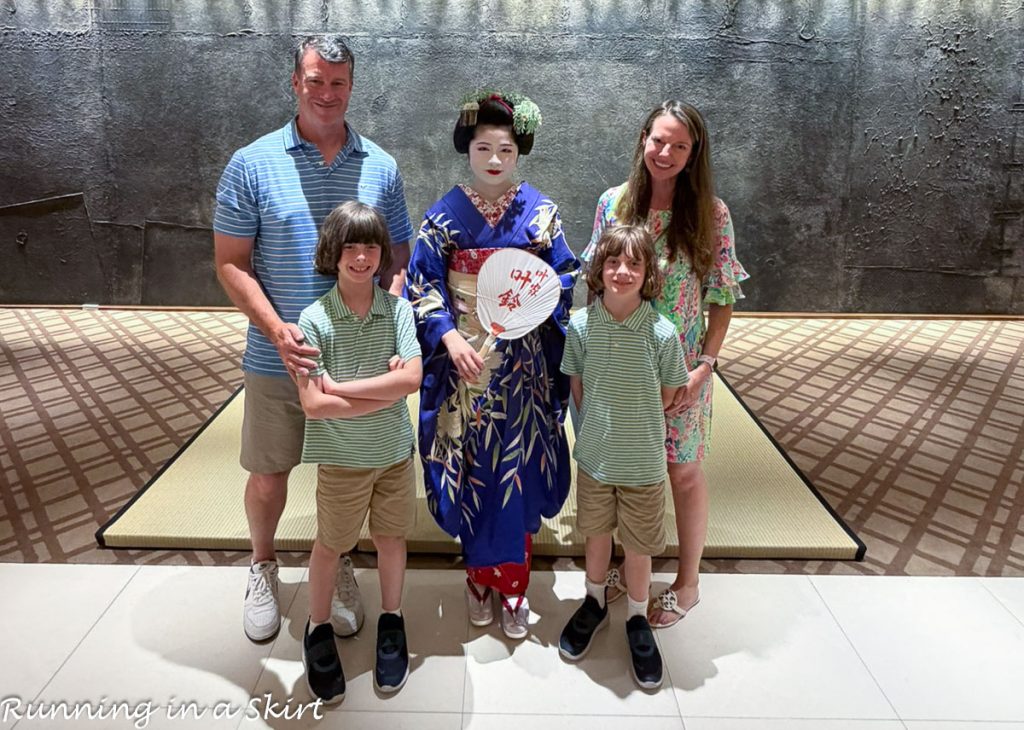
My Tip: Remember, it's illegal to follow or photograph a geisha without her permission. We got this photo with permission as part of a cultural event.
Golden Pavilion at Kinkaku-ji
Kinkaku-ji, also known as the Golden Pavilion, is another one of Kyoto's most beautiful and recognizable landmarks. It's so beautiful in person that you should add it to your trip itinerary. Ths is the golden temple and stunning garden area around it.
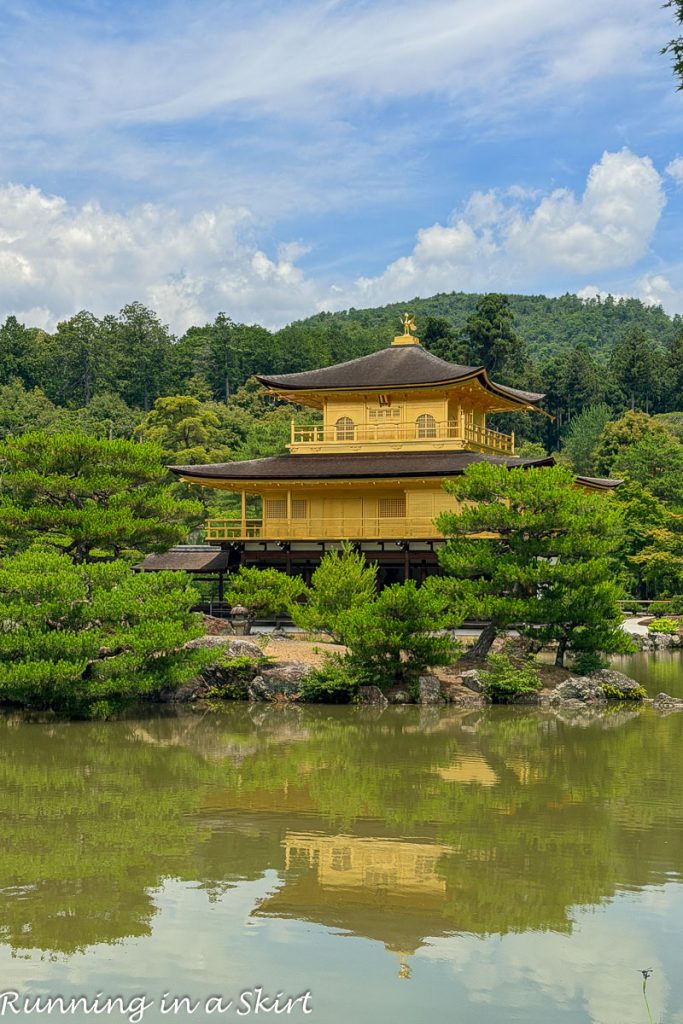
This Zen Buddhist temple is best known for its upper stories covered in gold leaf and its reflection in the pond in front of it. The surrounding landscaped garden makes the setting feel especially peaceful.
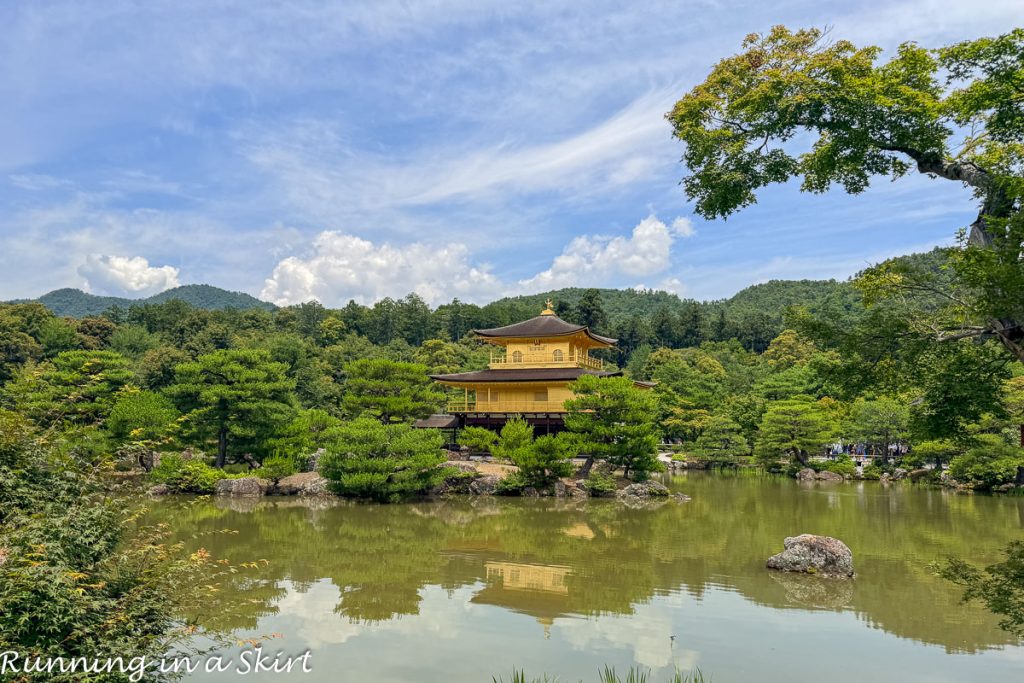
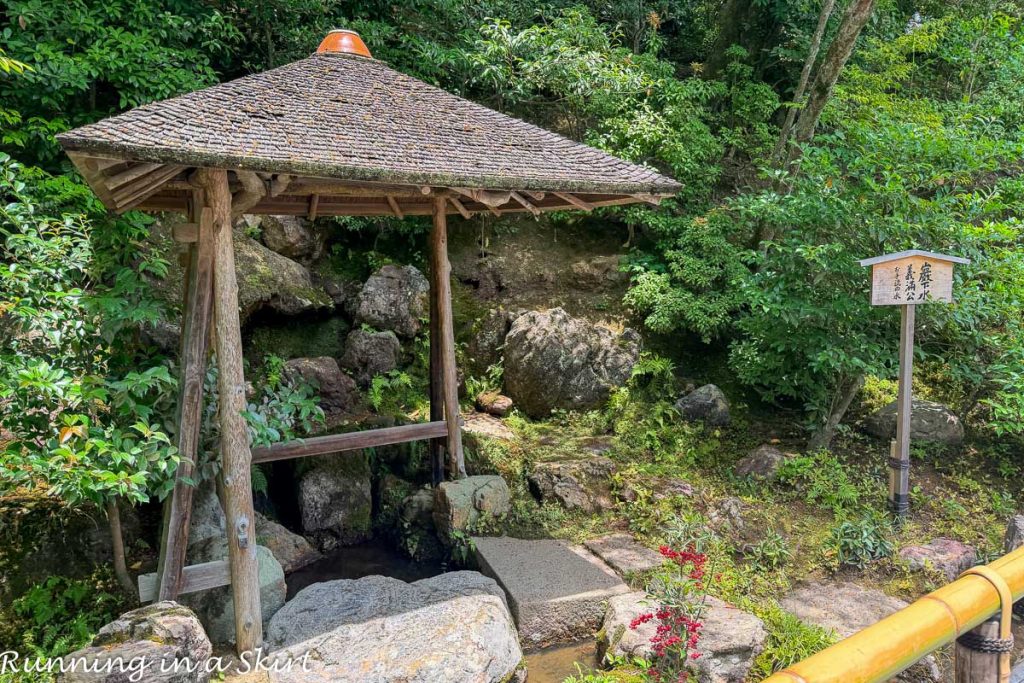
Visitors follow a designated walking route through the grounds, making it easy to combine with other sightseeing, including a really pretty waterfall.
My tip: This is another very busy spot in Kyoto, so try to visit early in the day to avoid the crowds.
Nijo Castle
Nijo Castle must also be on your list of Top Things to Do in Kyoto. We loved this spot because of the history we learned and the watchmen there.
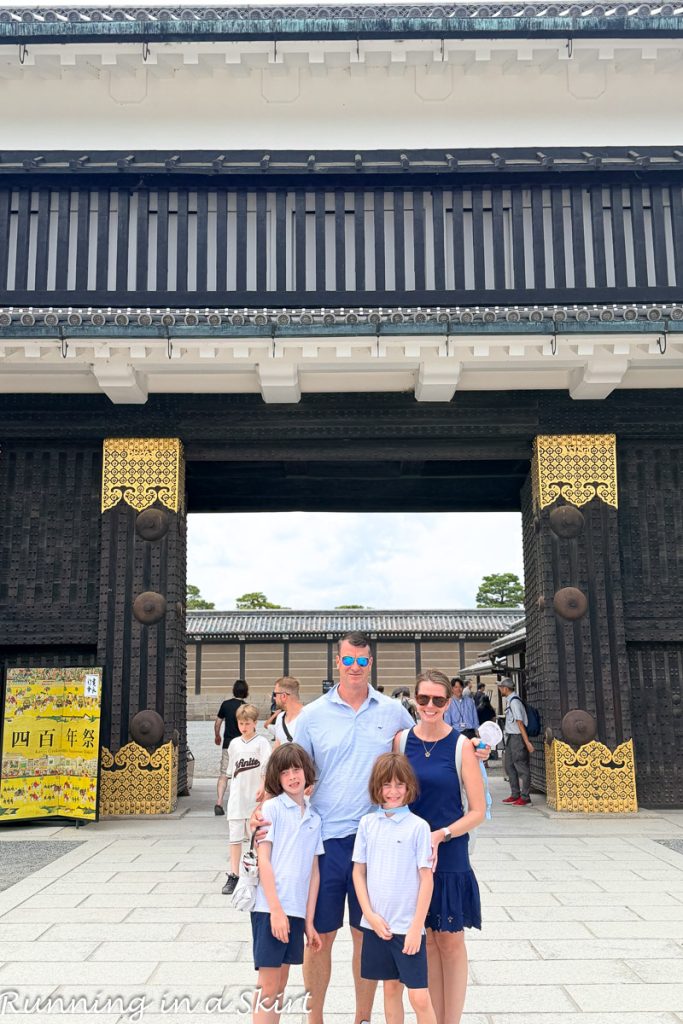
Built in the early 17th century, the castle is closely associated with Tokugawa Ieyasu, the founder of the Tokugawa shogunate. This was where shoguns stepped down from power.
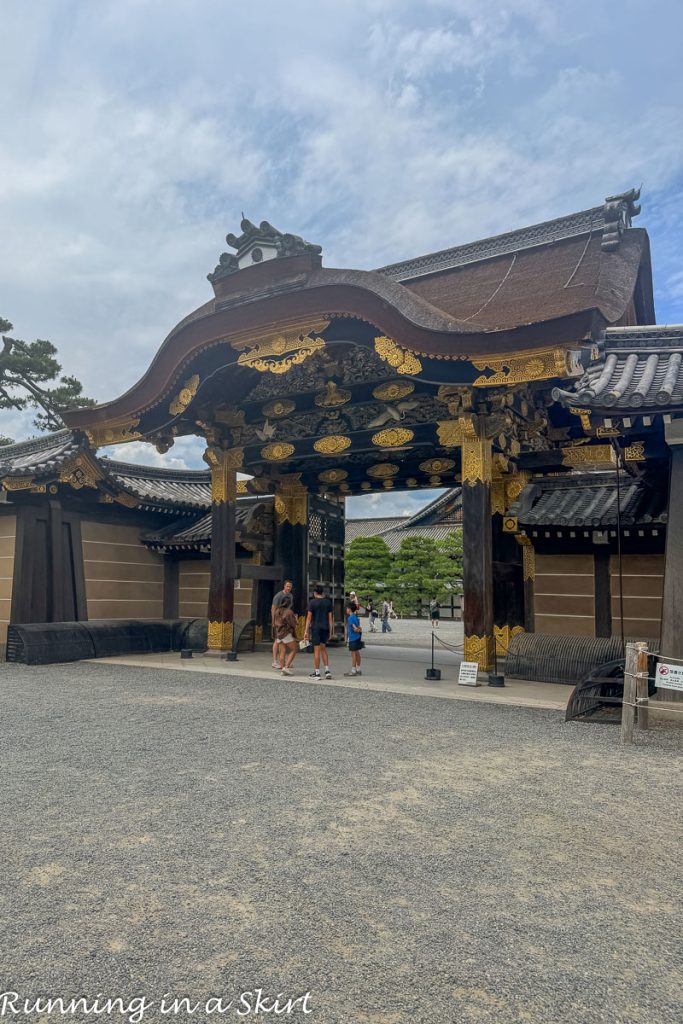
The complex includes impressive gates, historic palace buildings, and landscaped gardens. It offers a different perspective on Japanese history from the city's Buddhist temples and Shinto shrines.
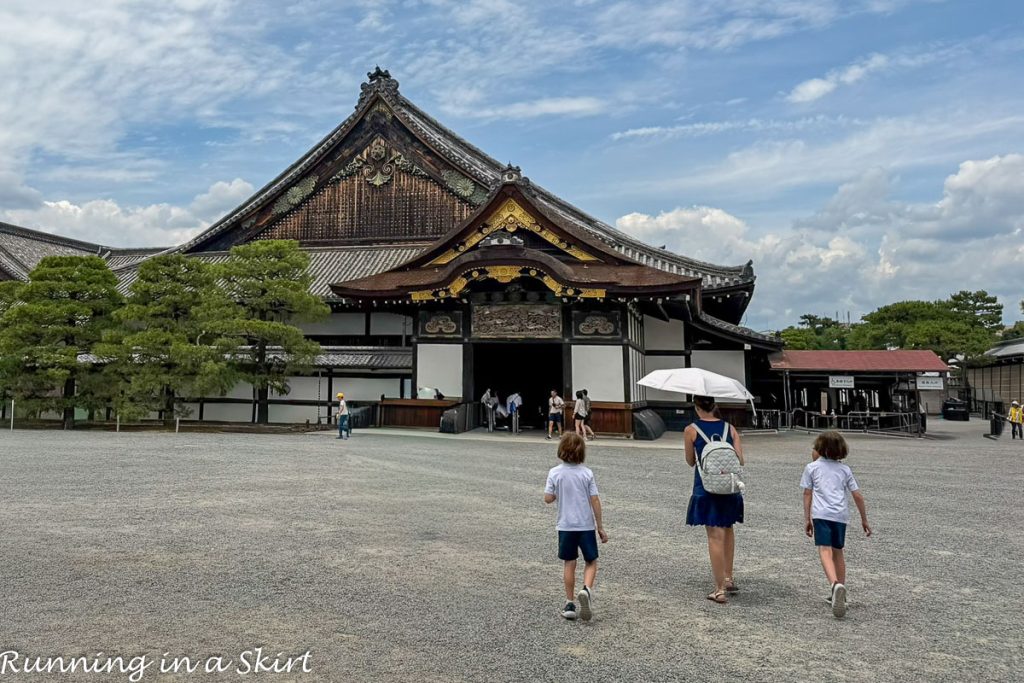
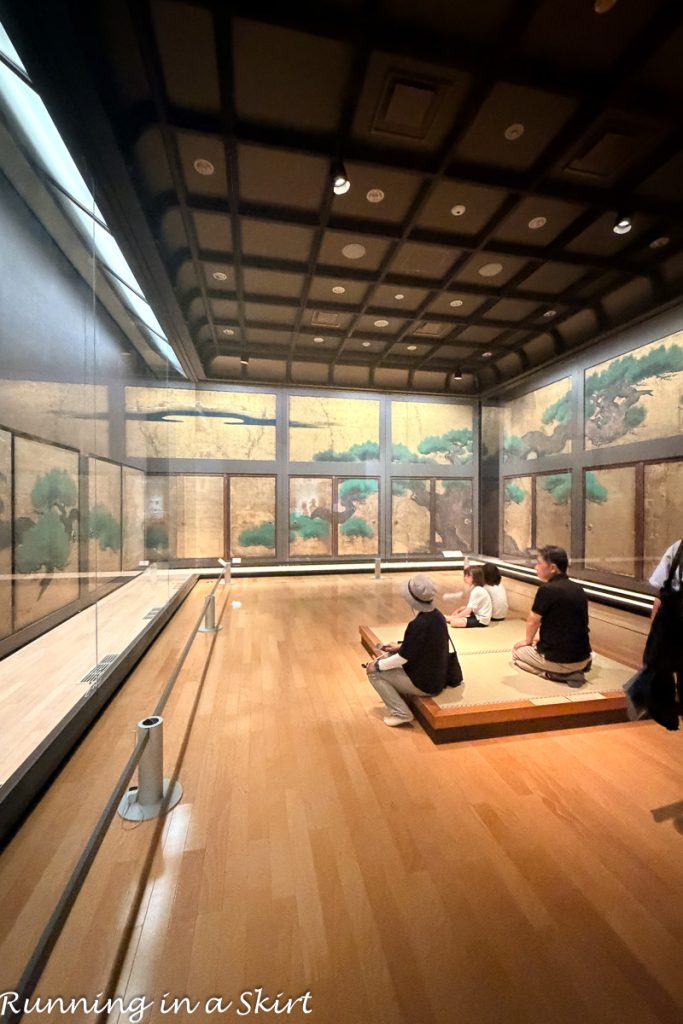
The artwork inside is especially interesting, and we really felt like we had a better understanding of Japan's history after stopping here.
Sanjusaangen-do
Sanjusaangen-do offers a fascinating look into Kyoto's history and religion. It's a great hall that houses 1001 life-sized wooden statues of Kannon, the goddess of mercy. You aren't allowed to take photos inside, but you will have to believe me when I say it's worth seeing! It's such an immersive, iconic experience in Kyoto.
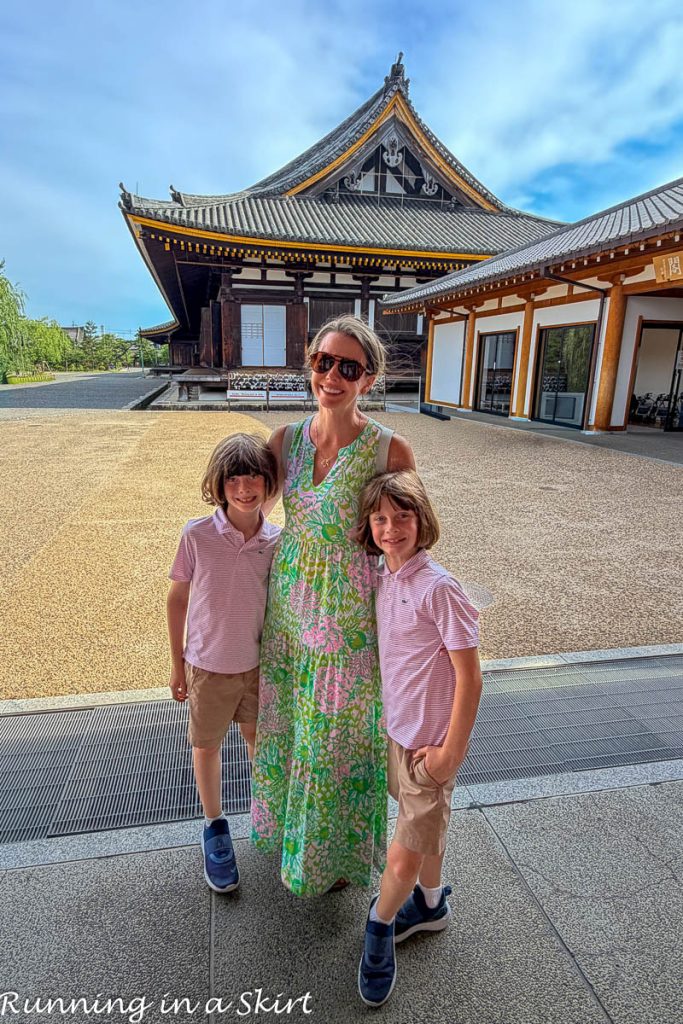
After seeing the famous statues, you can explore the beautiful gardens!
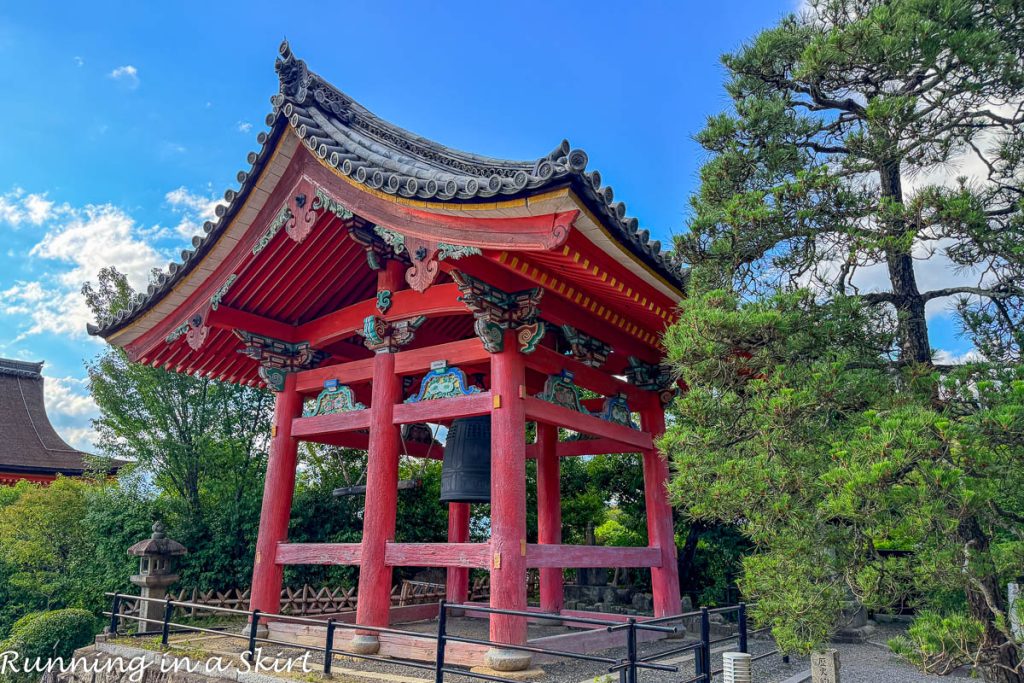
Samurai Ninja Museum & Experience
The Samurai Ninja Museum and experience were a little cheesy, but we learned so much history there that it is worth a visit! The museum is filled with real samurai gear, and you can even hold some of it. The museum is narrated, which makes it feel more personal and interesting. It's one of the most unique things to do in town.
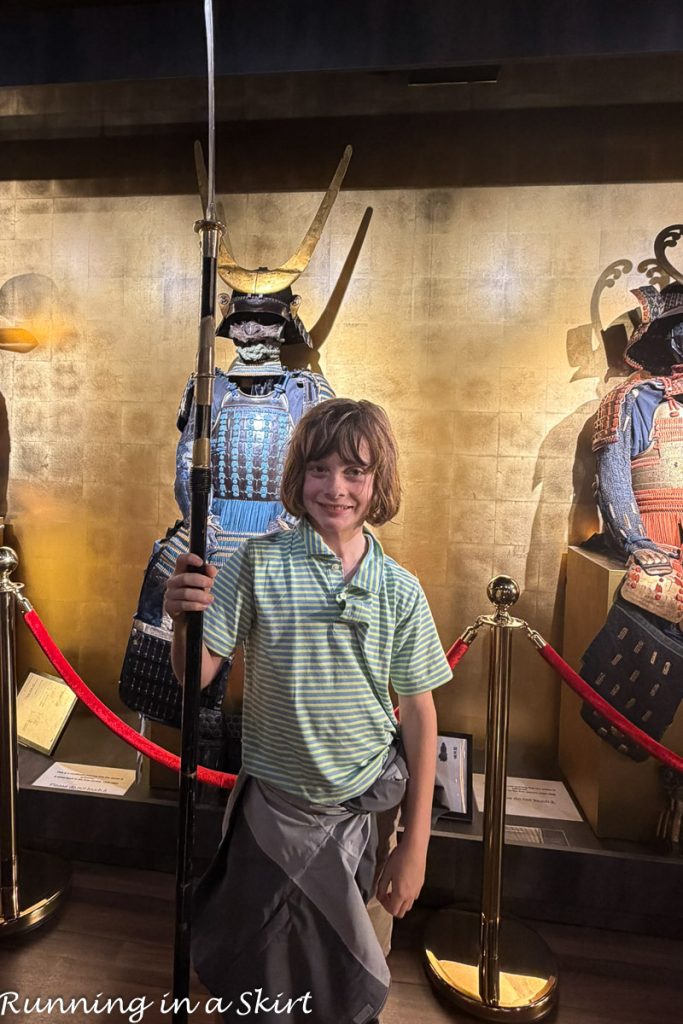
If you have little boys, you have to go. They get to take all these fun photos at the end. My boys list this as one of their favorite parts of the trip.
Even if you don't, I felt like I learned so much that it was worth it.

Tea Ceremony with Kimonos
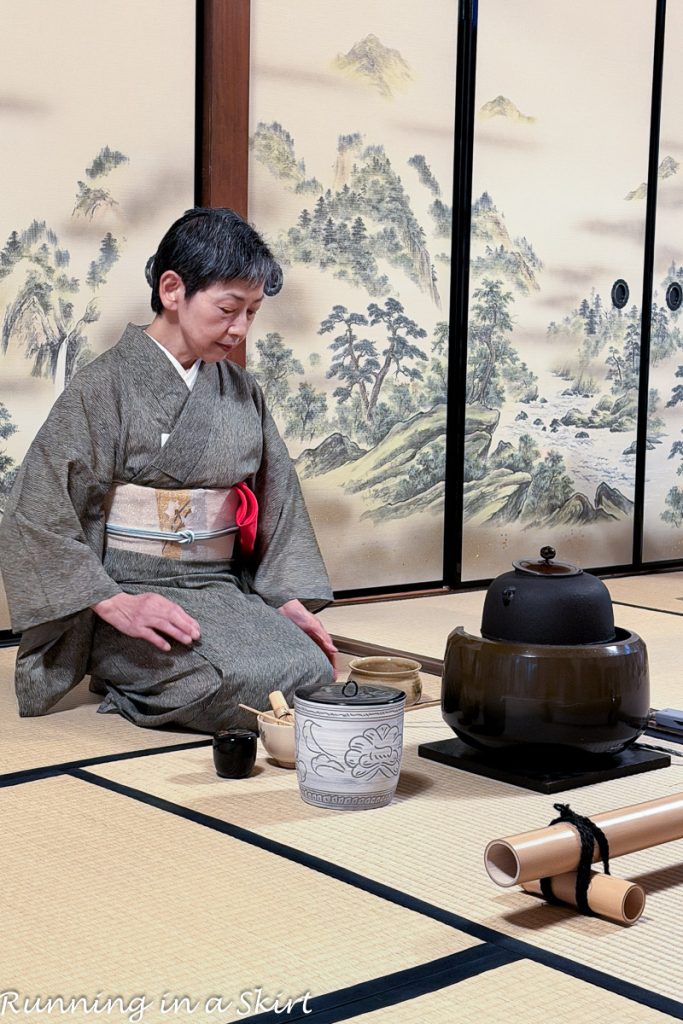
A tea ceremony in kimonos has to be on any list of top things to do in Kyoto. This was one of our favorite parts of the entire trip! Look for an experience specifically for kids. I was able to book one that included them; some are only for adults. Make reservations ahead of time.
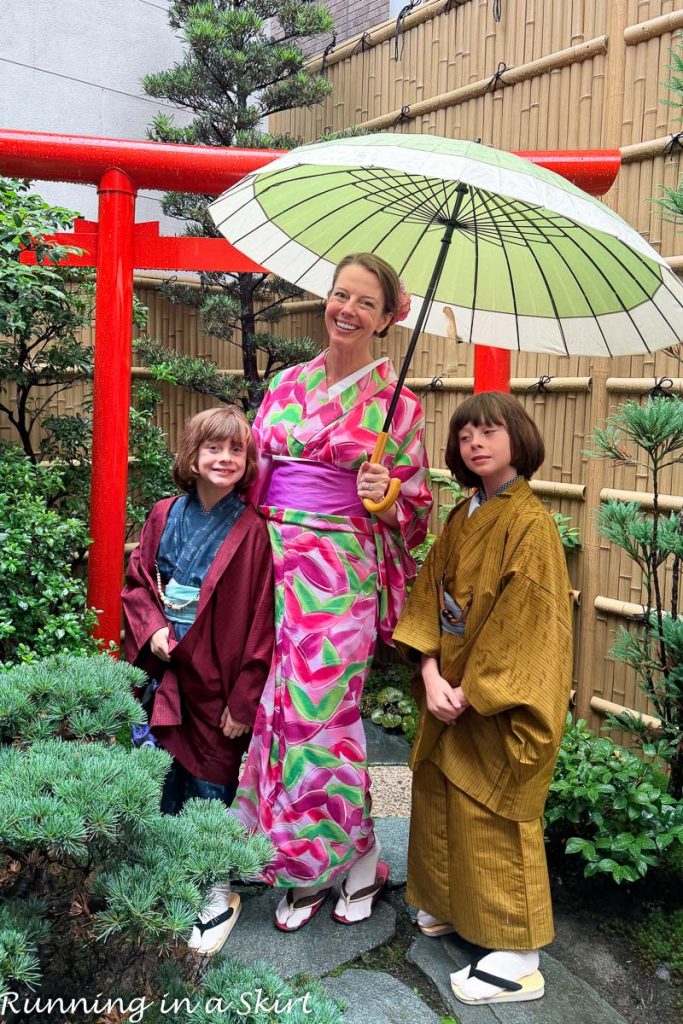
The experience started with everyone picking their own Kimono and getting dressed. My boys got a huge kick out of it!
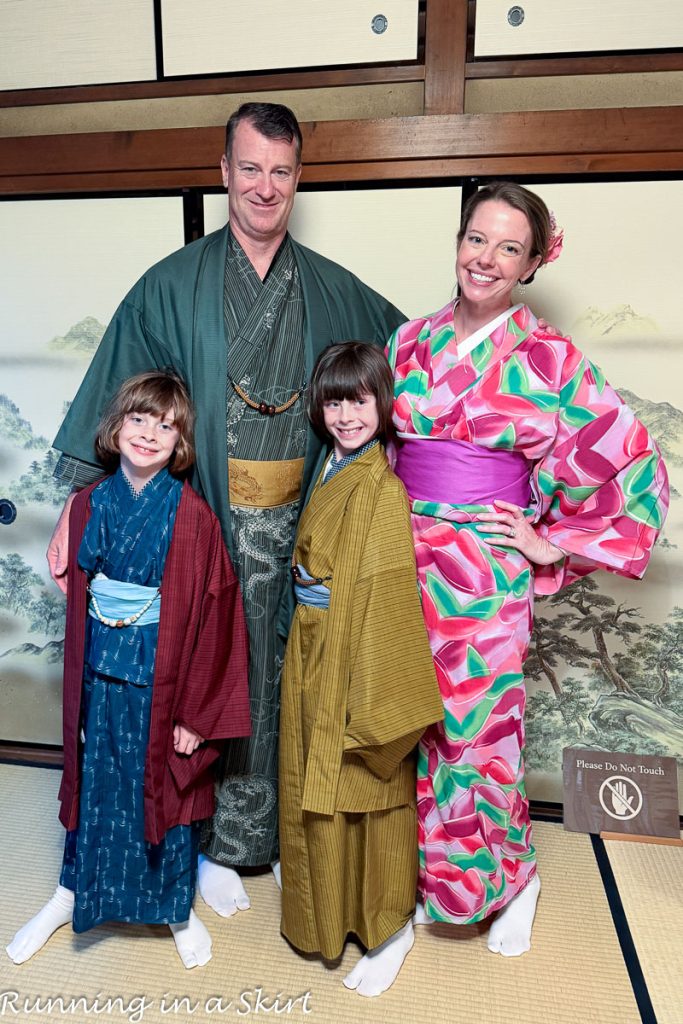
The tea ceremony taught us so much about the cultural practice that emphasizes mindfulness, hospitality, and attention to detail.
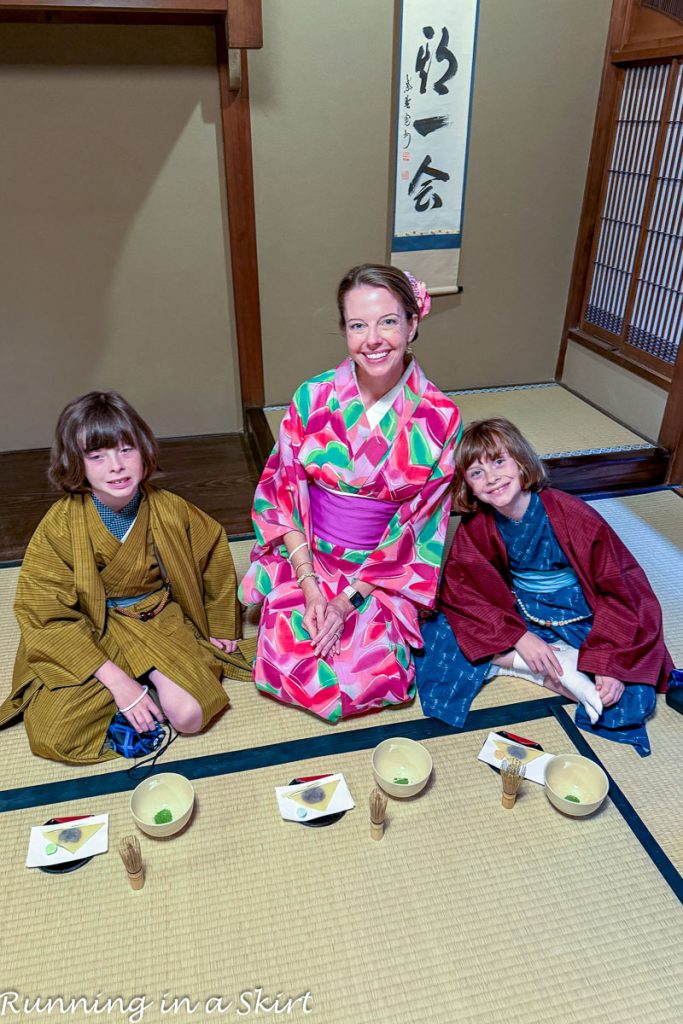
During a tea ceremony, we learned how to prepare and serve matcha, the traditional powdered green tea. We mixed our own from scratch and ate it with a traditional Japanese sweet.
Afterward, most places let you take the kimono out for photos. It was pouring rain the day we did this, but we did snap this one photo. This was such a memorable morning for us!
My tip: Book ahead if you want a particular tea ceremony or traditional setting. Look for a small-group session if you'd like more time to ask questions. Plus, it was a lovely way to do something after so much sightseeing.
Try Matcha, Sweets, and Traditional Japanese Foods
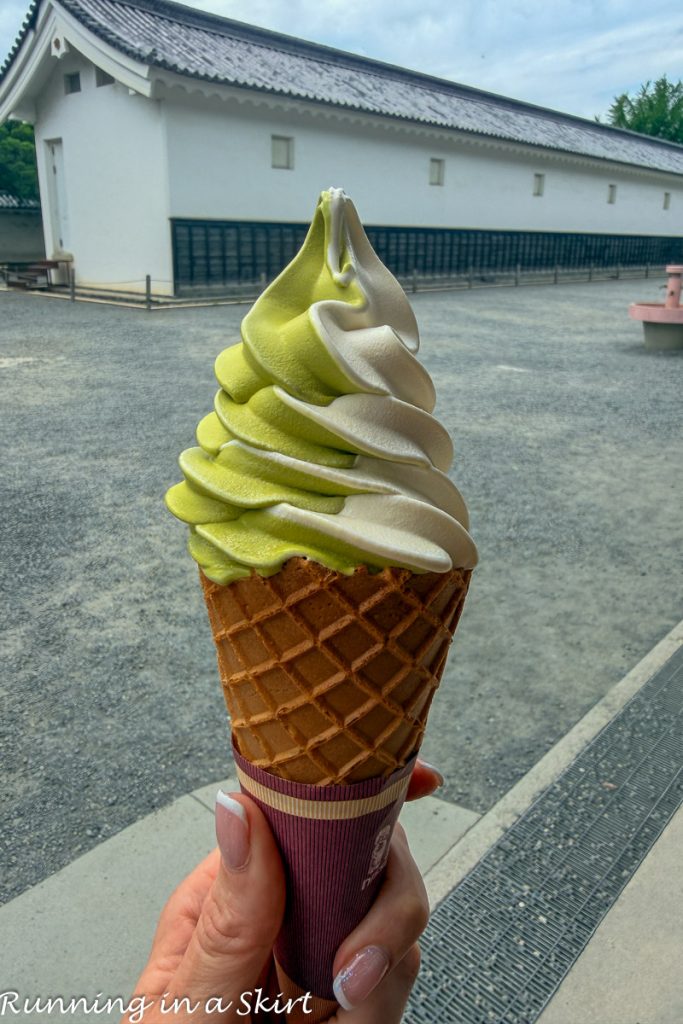
One of the best things to do in Kyoto is eat! The city has an incredible food culture, from casual noodle shops to elegant traditional dining experiences. Make sure to try matcha and green tea desserts like this matcha ice cream, Yudofu, Kaiseki cuisine, Kyoto-style sweets, ramen, and soba.
Eat at a Sushi Counter
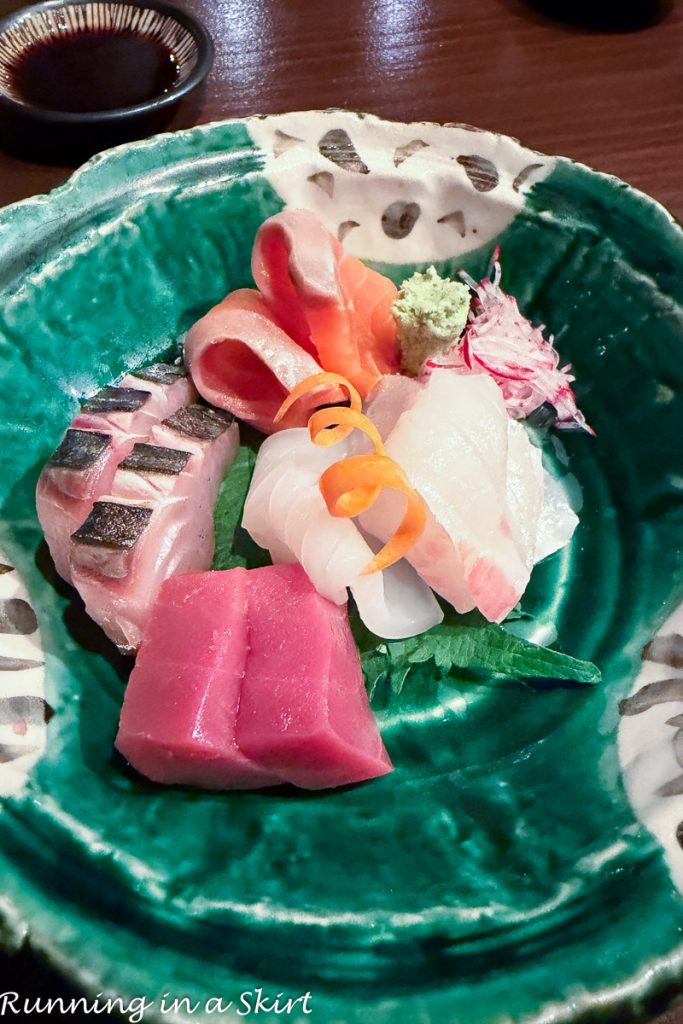
Kyoto has so much delicious traditional Japanese food. Another highlight of our entire trip and top thing to do in Kyoto was to eat at the sushi counter. This chef had prepared sushi for more than 30 years, and it was a gift to watch him make our dinner. Luckily our kids enjoy sushi, so this was a great experience for all of us.
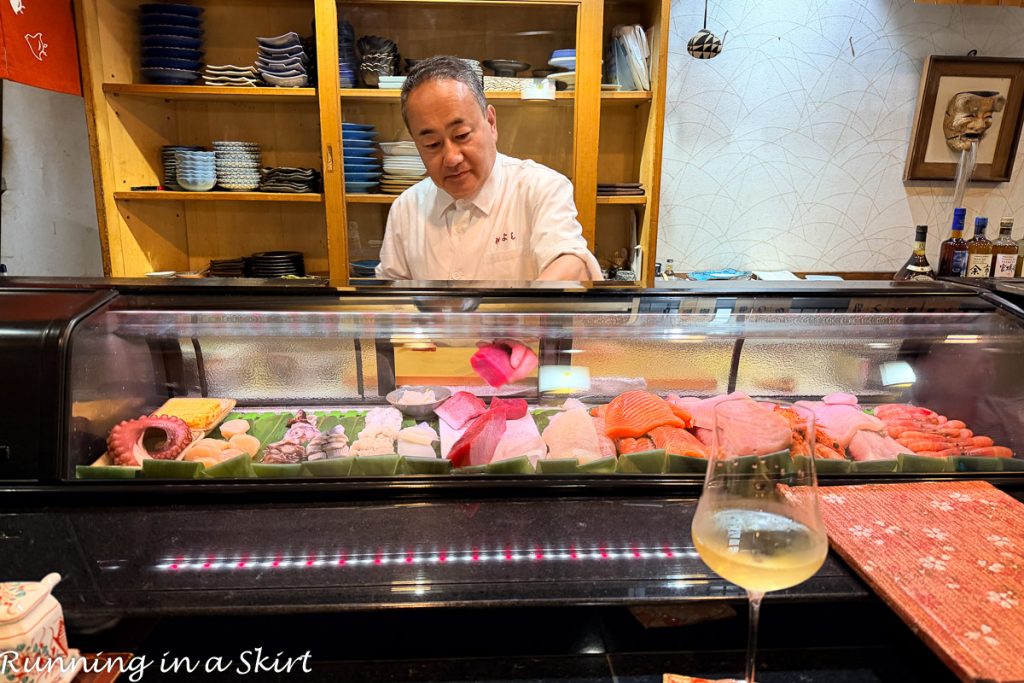
Just look at the amazing food we got! Exploring Kyoto's culinary scene is a must when you visit.
Day trip to Nara
Taking day trips to Nara is a top thing to do in Kyoto. Just 30 minutes away by train, Nara is another cultural center of Japan and best known for its 1300 sacred deer that roam freely around the city and the Todai-ji temple. We were there for a full day.
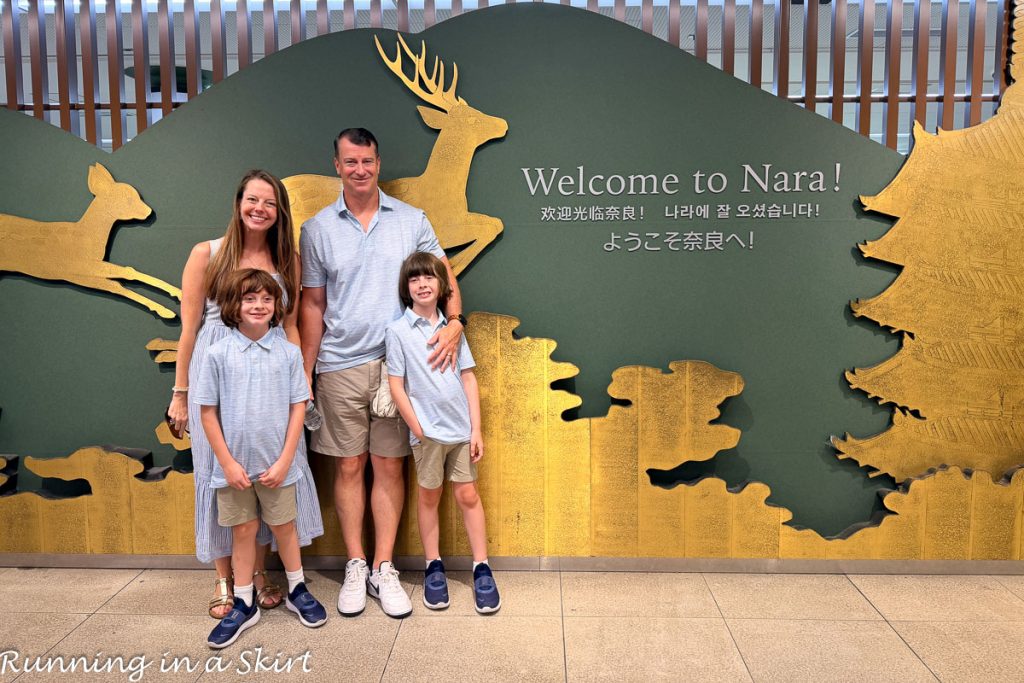
The deer come up to people, and you can buy Shinka senbei or deer crackers to feed them. We honestly found the deer very aggressive, to the point that they nibbled on us, so this wasn't our favorite thing. There are tourists everywhere getting nibbled at.
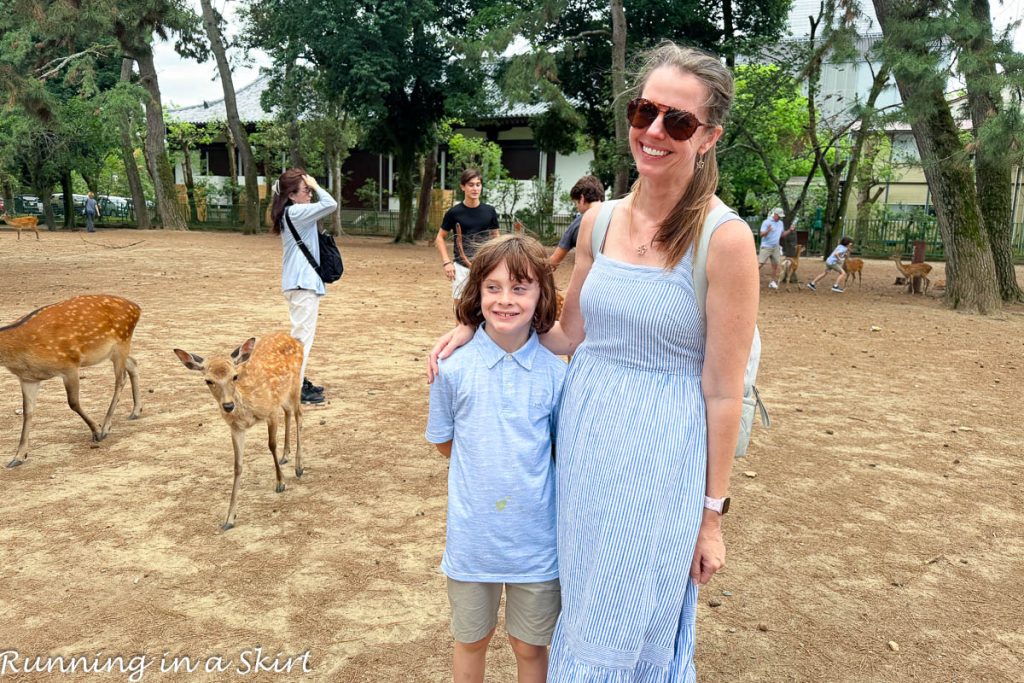
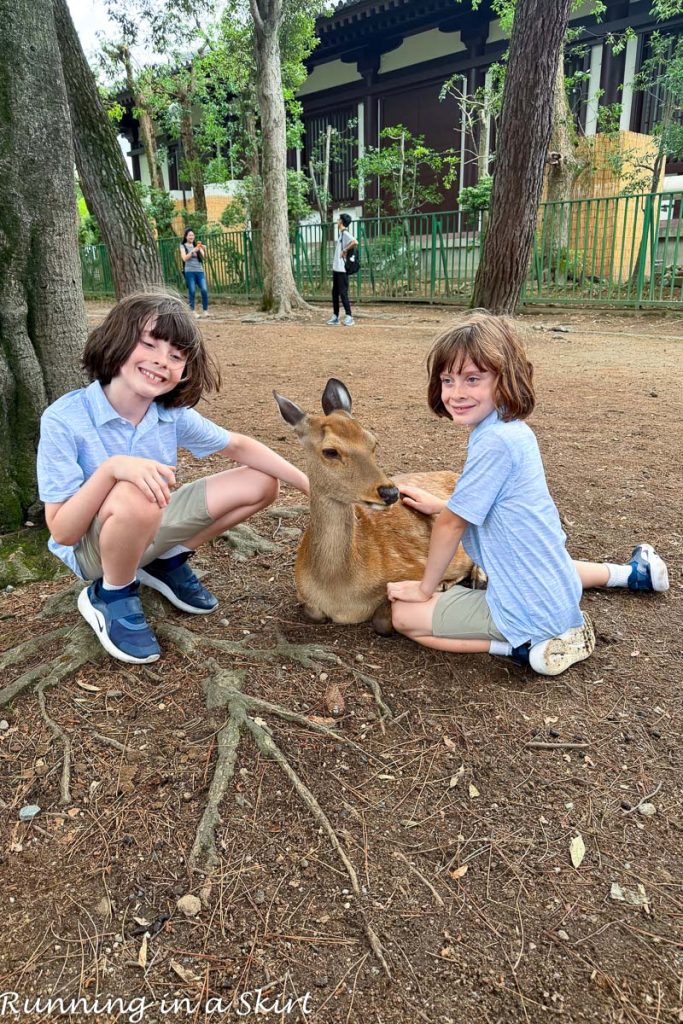
The boys did find one particularly nice deer that they made friends with.
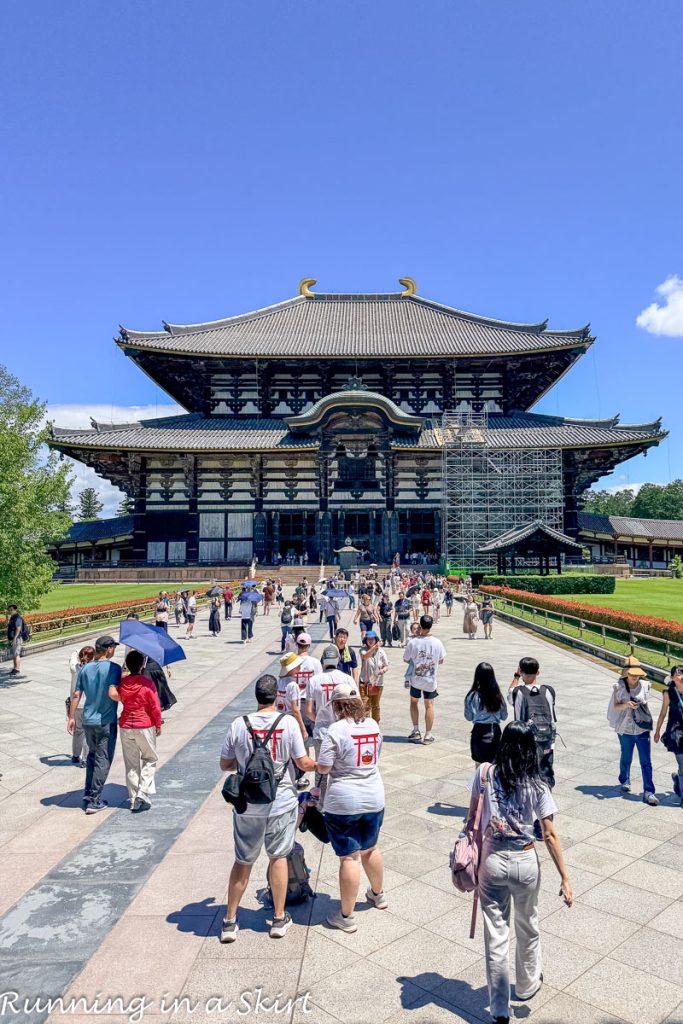
The impressive Todai-ji is worth a stop; it is so grand. Here's the main hall.
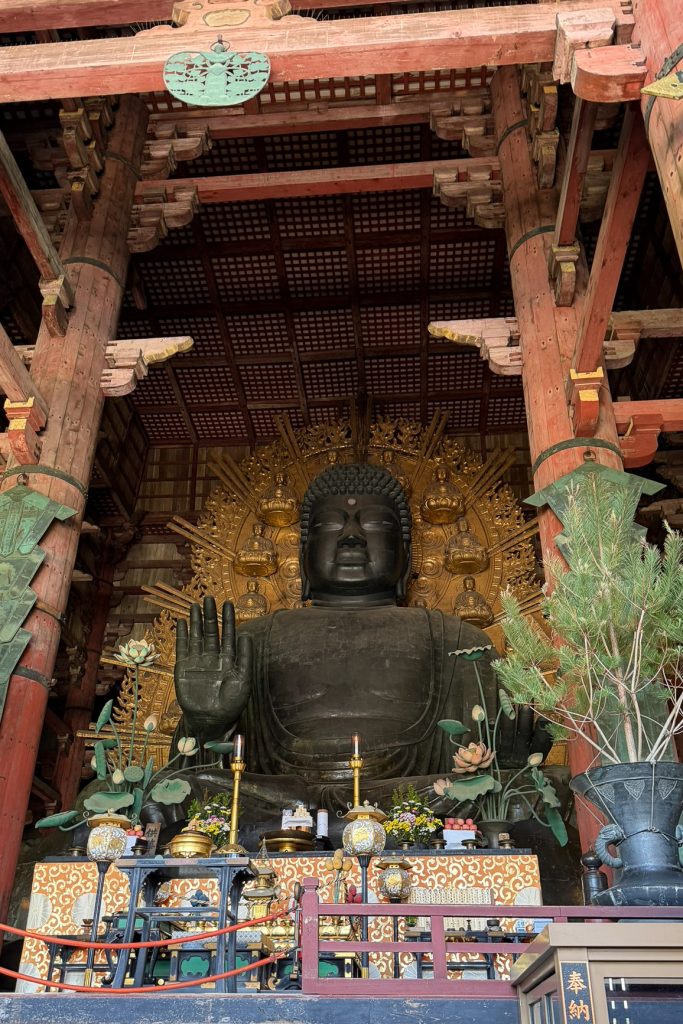
This Buddhist temple is fascinating and filled with larger-than-life statues, like this 53-foot Buddha.
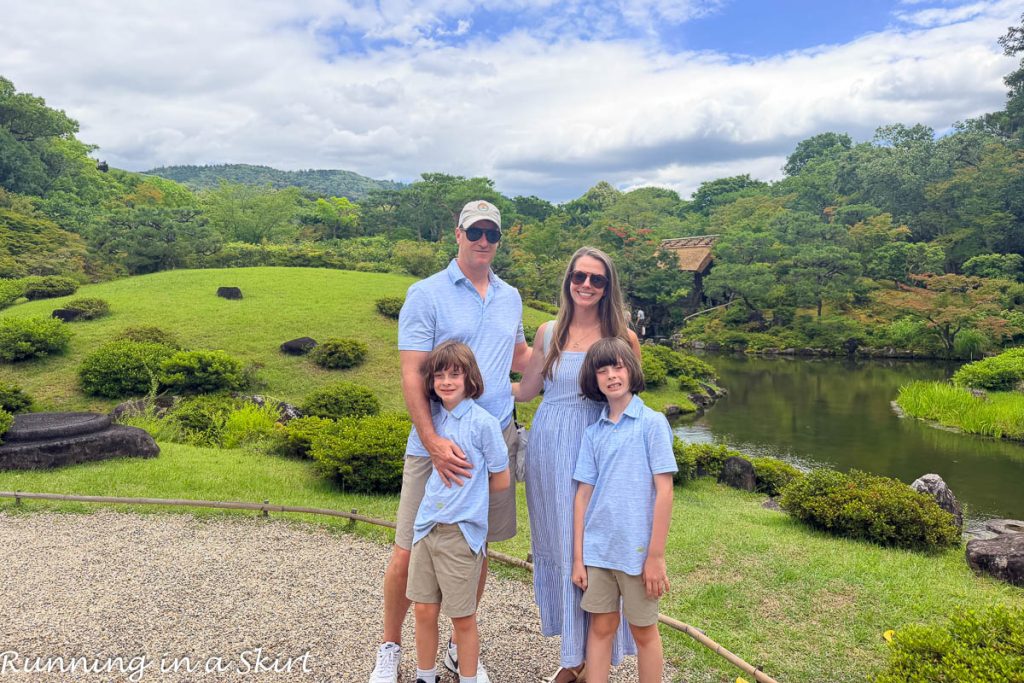
We also loved stopping at the gorgeous garden, Isuien Garden. We ate lunch at a charming 1920s farmhouse, with scratch-made noodles.
Other Top Things to Do in Kyoto, Japan
- Pontocho Alley: Pontocho Alley is a narrow lane near the Kamo River that is filled with restaurants and bars. Explore it at night when lanterns illuminate the streets and restaurants.
- Day Trip to Uji: Uji is known for its rich green tea culture and makes a perfect day trip if you love matcha.
- Ginkaku-ji: Explore the Silver Pavilion, which is known for its understated architecture, landscaped gardens, moss, and raked sand gardens.
- Philosopher's Path: If you are there in spring with blooming cherry blossoms, be sure to see the scenic path that follows a canal through NE Kyoto. A gorgeous, famous canopy of pink and white flowers lines the path.
- Ryoan-ji Temple: This Zen Buddhist temple is known for its Zen rock garden. It also has landscaped paths and beautiful gardens. It's a great peaceful escape from the city.
- Imperial Palace: Kyoto also has an Imperial Palace, the former home of the Japanese Imperial family.
Getting Around Kyoto
Kyoto is a great city to explore by public transportation and on foot. As a small family, we also found calling a taxi or Uber easy and not too expensive. We did a lot of walking on this trip, and it saved the kids' legs to cut out some of the steps.
- Trains and subways: These are useful for reaching many major attractions and moving between neighborhoods.
- Buses: Kyoto's buses reach areas not directly served by rail, but popular routes can get crowded. Allow extra time during busy seasons.
- Walking: Many historic neighborhoods are best explored on foot. Comfortable shoes are essential because you'll likely walk quite a bit each day. We hit over 15,000 steps some days on this trip.
- Taxis: Taxis can be useful when public transportation doesn't fit your route, especially when traveling with luggage or visiting areas with limited connections. Use licensed taxis or authorized ride-hailing services. We used the same Uber app you use in America.
Before your trip, check current routes and transit information for your specific destinations. A little planning can make sightseeing much easier.
Kyoto Travel Tips for First-Time Visitors
Keep these practical tips in mind as you plan your Kyoto trip.
- Start in the early morning at popular attractions. Fushimi Inari, Arashiyama, and Kiyomizu-dera can get very busy. Early visits generally offer a more relaxed experience. The best time is often early in the day.
- Wear comfortable shoes. Between temple grounds, stone paths, stairs, and historic neighborhoods, you'll do plenty of walking.
- Respect local customs. Follow posted rules at temples and shrines, remove shoes where required, and be mindful of quiet spaces. Talk to your kids ahead of time so they understand why it matters.
- Be respectful in Gion. Don't enter private property, block narrow streets, or photograph geiko and maiko without permission. Follow all photography restrictions.
- Plan around the peak seasons. Cherry blossom season and autumn foliage periods can be especially busy. Reserve accommodation early if traveling during these times. We went in mid-June because of the boy's school schedule. There were a lot of tourists, but the crowds weren't too overwhelming.
- Carry a small bag for trash. Public trash bins can be limited. Follow local waste-disposal instructions and avoid littering.
- Book special experiences and tickets ahead. Tea ceremonies, cooking classes, and popular restaurants may have limited availability.
- Leave room for spontaneous discoveries. Kyoto's smaller streets, local cafes, gardens, and shops are part of the fun. Don't make your itinerary so packed that you miss them.
- Leave time for the kids to run around at a park, because they have to be on their best behavior while visiting temples. We found the lack of places for kids to be kids a bit surprising.
- If it's part of your budget, consider booking a private guided tour. Tour groups can be hard to follow with small kids, and a private guide can follow a family's pace.
- Keep some yen with you because some stores and attractions need yen to pay.
Is Kyoto, Japan Worth Visiting?
Absolutely! Kyoto is one of the most rewarding places to visit in Japan, especially if you love history, culture, beautiful scenery, and food. Everywhere you turn, there is another beautiful temple. You can spend the morning walking through thousands of red torii gates, enjoy a bowl of noodles for lunch, explore a peaceful Zen garden in the afternoon, and finish the day wandering through a historic neighborhood.
The city has famous attractions that deserve their reputation, but it also rewards travelers who slow down and explore beyond the main sights. Whether you're planning a short visit or using Kyoto as a home base to explore the region, it offers something memorable in every season.
Frequently Asked Questions About Visiting Kyoto
What are the top things to do in Kyoto, Japan?
Some of the best things to do in Kyoto include visiting Fushimi Inari Shrine, exploring the Arashiyama Bamboo Grove, seeing Kiyomizu-dera Temple, wandering through Gion, sampling food at Nishiki Market, and visiting the Golden Pavilion. It's also known for its blooming cherry trees in spring.
Is three days enough for Kyoto?
Three days is enough time to see many of Kyoto's most famous attractions. With four days, you can explore at a more relaxed pace and add a day trip or cultural experience.
What is Kyoto most famous for?
Kyoto is known for its historic temples and shrines, traditional architecture, Japanese gardens, tea culture, seasonal scenery, and preserved historic neighborhoods.
What is the best month to visit Kyoto?
March and April are popular for cherry tree blossoms, while October and November can be excellent for autumn scenery. Conditions vary from year to year, and both spring and fall can be crowded. We went in mid-June and had a great experience. It was warm, but not too hot yet, and it wasn't too crazy crowded.
Is Kyoto walkable?
Many Kyoto neighborhoods are very walkable, especially Gion, Higashiyama, and central shopping districts. However, attractions are spread across the city, so combining walking with trains, subways, and buses is usually the most convenient approach. With the kids and our limited time in the city, we also used Ubers and taxis to get around.
Can you visit Kyoto as a day trip from Tokyo?
You can visit Kyoto on a long day trip by Shinkansen from Tokyo or Osaka, but I recommend staying at least two or three nights if your schedule allows. An overnight stay gives you more time to explore and enjoy the city without rushing. This was our favorite part of the trip, and I'm glad we didn't rush it.
What food should you try in Kyoto?
Try matcha desserts, yudofu, traditional Japanese sweets, soba, ramen, and seasonal Kyoto cuisine. For a special dining experience, consider a traditional kaiseki meal.
Top Things to Do in Kyoto, Japan with Families
Planning a trip to Japan? This guide helps you easily find the top things to do in Kyoto. Deciding what is worth your time can be overwhelming. My advice: plan around these must-see attractions, leave plenty of time for walking, and make room for the little experiences along the way. A quiet garden, a delicious matcha treat, or a charming side street may become one of your favorite memories. Use this guide to cut through the thousands of activities and find the ones that are worth your time.
Kyoto makes it easy to fall in love with Japan. From the unforgettable torii gates of Fushimi Inari to the bamboo forests of Arashiyama and the peaceful beauty of its temples and gardens, there's so much to discover. With the kids, we actually used Ubers in addition to trains to get around, which was much easier for our family. Our recent visit to Kyoto was pure magic, and I know you will love it too.
If you're planning a trip to Japan, I hope this guide to the best things to do in Kyoto helps you create an itinerary you'll love! Start with these guides for other Japanese cities.
- Top Things to Do in Tokyo, Japan
- Toyko
- Mt. Fuji Day Trip
- Tokyo Disneyland and DisneySea
- Kyoto Family Photos
- Nara
Pin for Later:

Leave a Reply